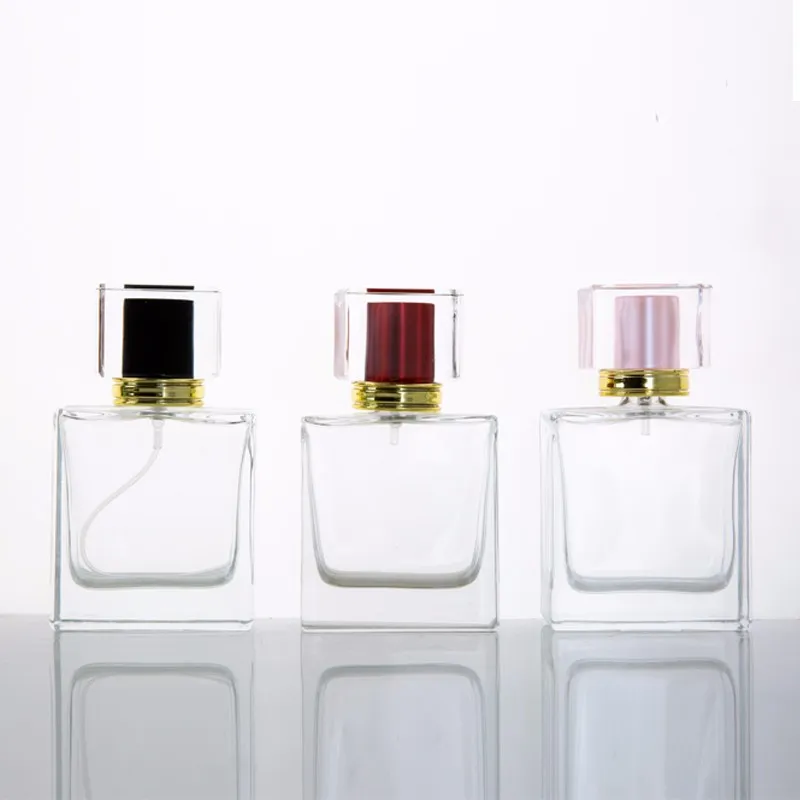
Fragrance brands live or die by first impressions. The bottle hits the customer’s hand long before the scent does. A custom design perfume bottle turns that second into something you own. Not a shared catalog piece. We sit with teams every week who walk in with a rough sketch or just a gut feeling and walk out with glass nobody else can order. This piece lays out the real process, the technical calls that actually matter, and the traps that quietly kill timelines.
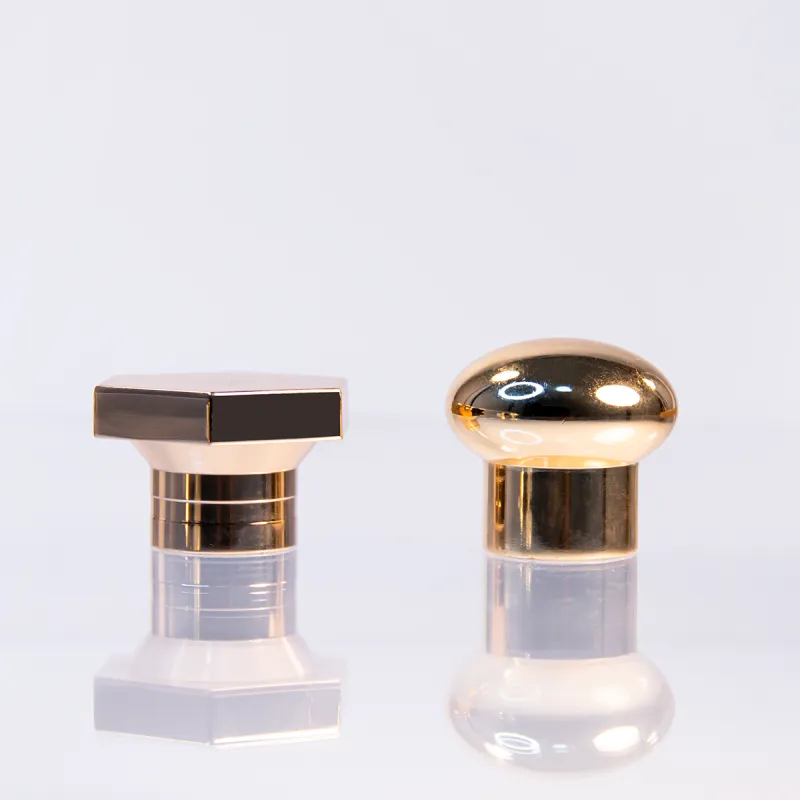
This guide exists because most content on custom design perfume bottles either reads like a catalog page or a design-school essay. We wanted something a procurement lead, a founder with a launch date circled in red, or a packaging manager could actually use to make a call this week. We've spent years on the factory floor watching orders succeed and fail, and what follows is the playbook we'd hand a friend who just texted us "I need a custom perfume bottle and I have no idea where to start."
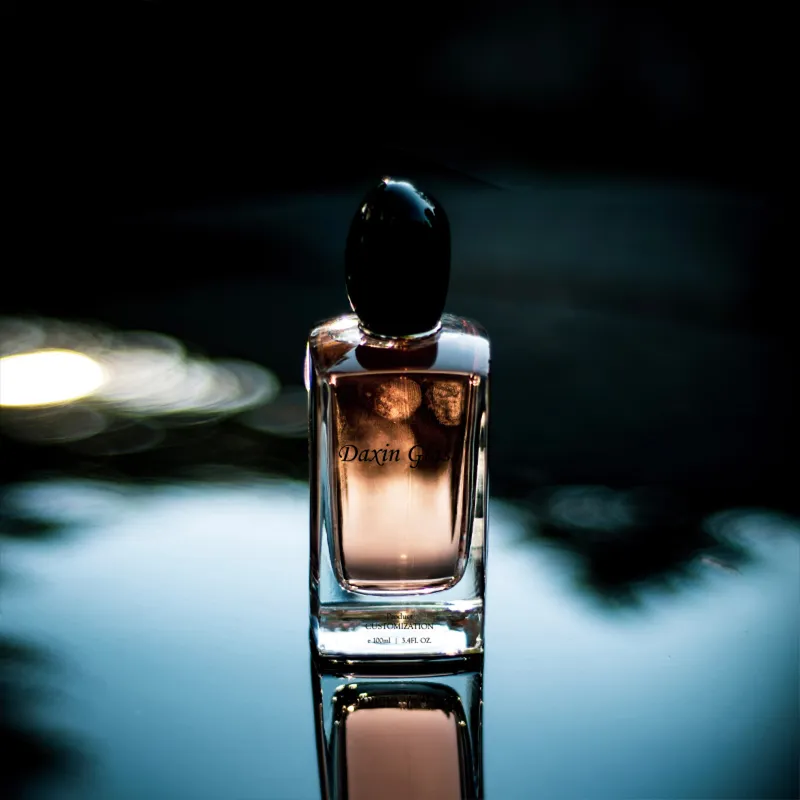
Stock Perfume Bottle should shorten the path to market without transferring hidden risk into your filling line, packaging assembly or warehouse. The buying decision therefore cannot stop at shape, capacity and unit price. Before placing a bulk order, confirm the complete component set, decoration scope, test standard, approved sample, production trigger date and landed cost.
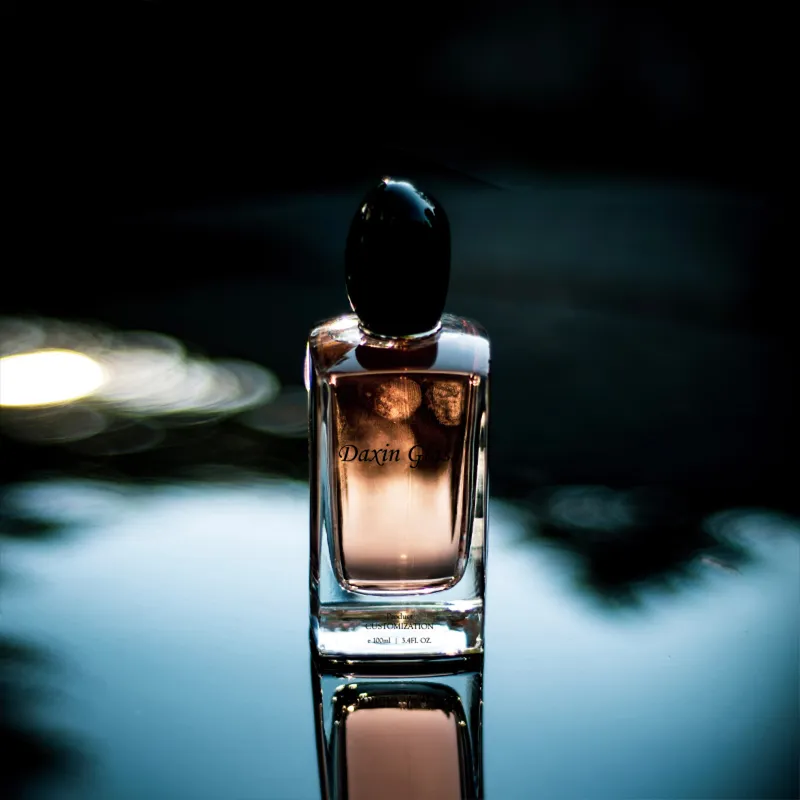
This guide explains how B2B fragrance brands, distributors, private-label companies, and packaging buyers should evaluate a Design Perfume Bottle project from concept through tooling, sampling, component matching, decoration, inspection, packing, and reorder planning.
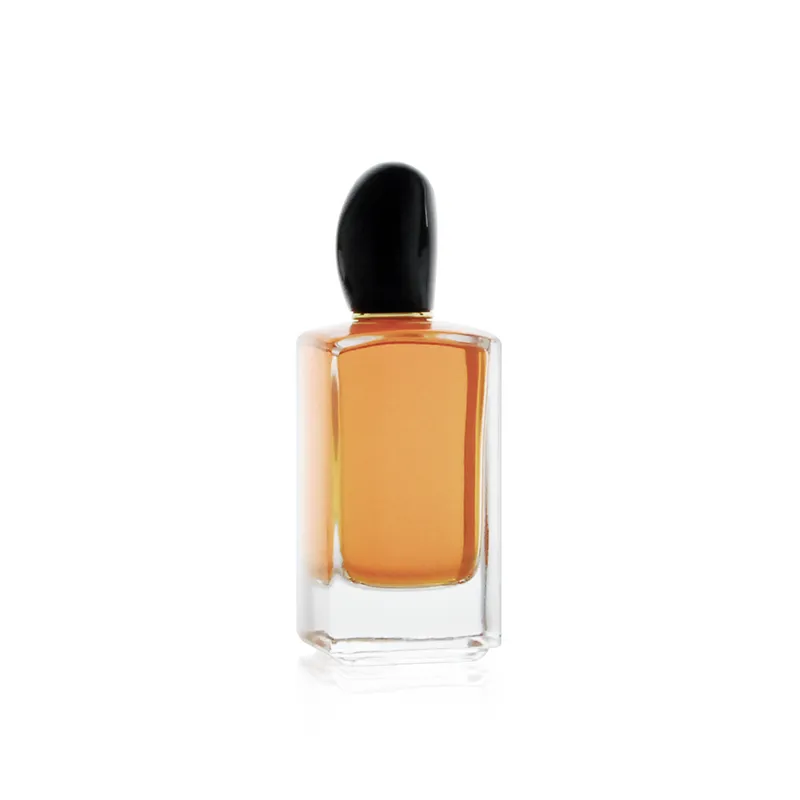
Just practical, decision-driven insights for procurement managers, brand owners, and distributors who need to source stock perfume bottles, perfume glass bottles, spray perfume bottles, and perfume spray bottles — fast, cost-effectively, and without production disasters.
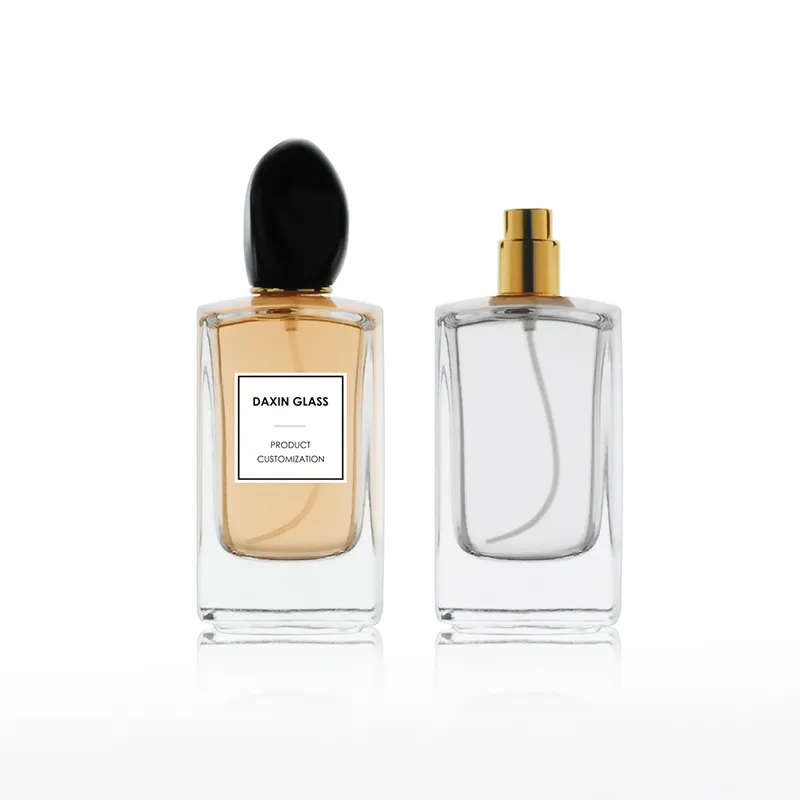
Here's the thing. If you typed "stock perfume bottle" into Google right before a launch deadline, you're not actually looking for a definition. You know what a bottle is. What you want to know is this: will this decision cost you your launch window, or save it?
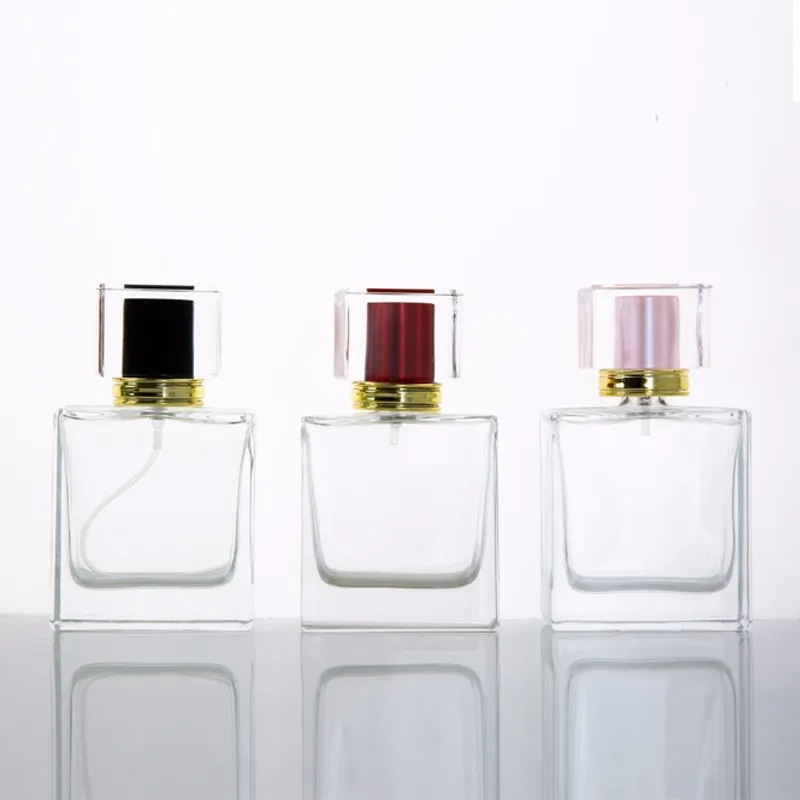
Choosing a stock perfume bottle is a commercial call grounded in calendar, capital, and conversion risk. When the shape library, the decoration options, and the supply reliability line up with what the brand needs, it becomes the highest-leverage packaging move available to fragrance businesses operating under real market pressure. The brands that get from formula to shelf the fastest are usually the ones that treated stock as a strategic advantage rather than a compromise.
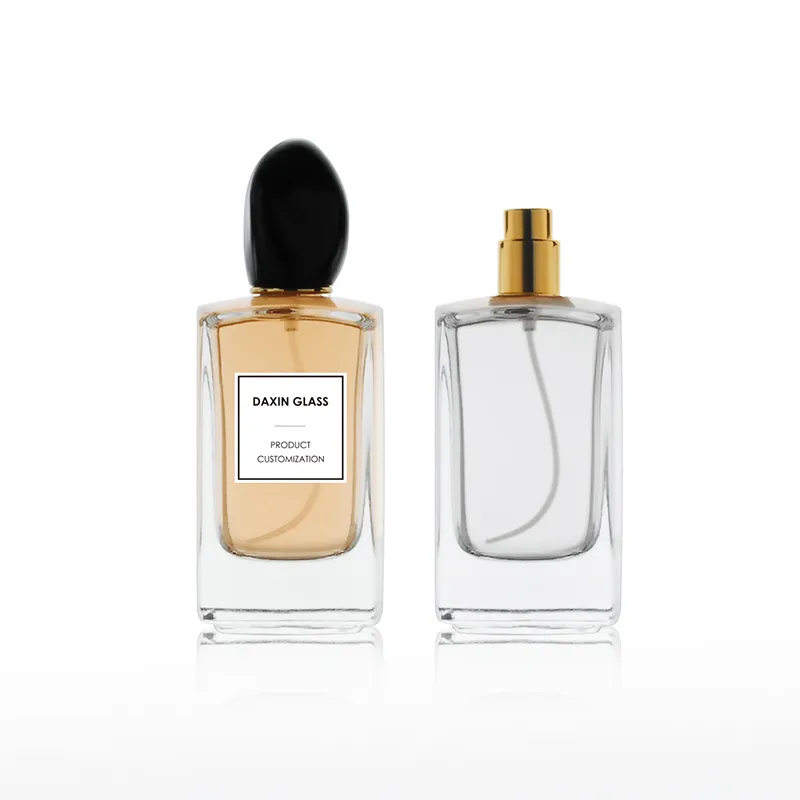
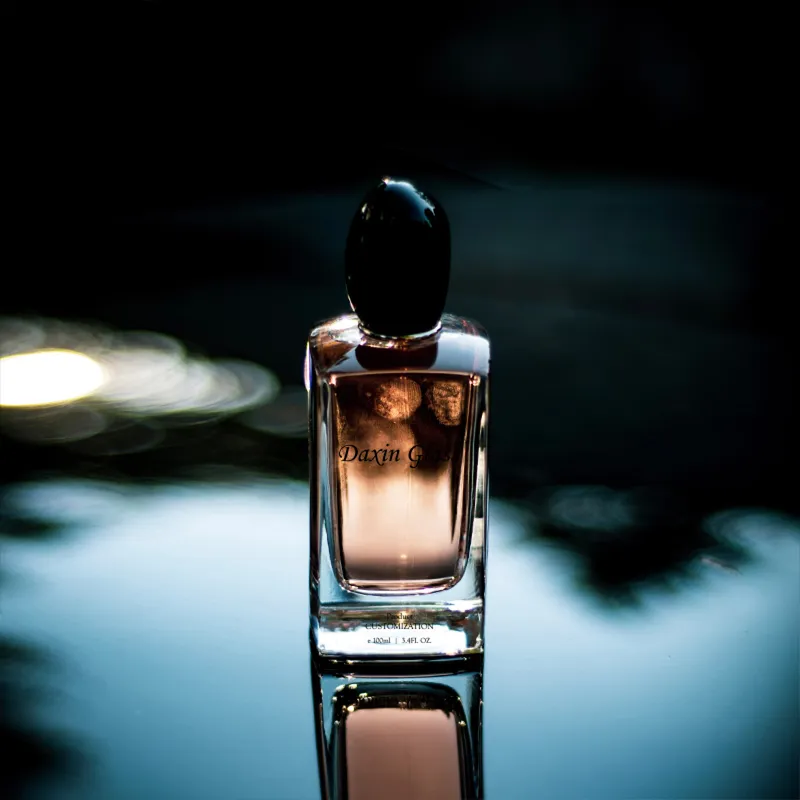
Daxin Glass has been manufacturing glass packaging for over 37 years. They understand what works on the production line and what survives the shipping container. Whether you need stock bottles for a quick launch or custom molds for a signature scent, the fundamentals don't change: test before you produce, verify before you ship, and never assume "standard" means the same thing to every supplier
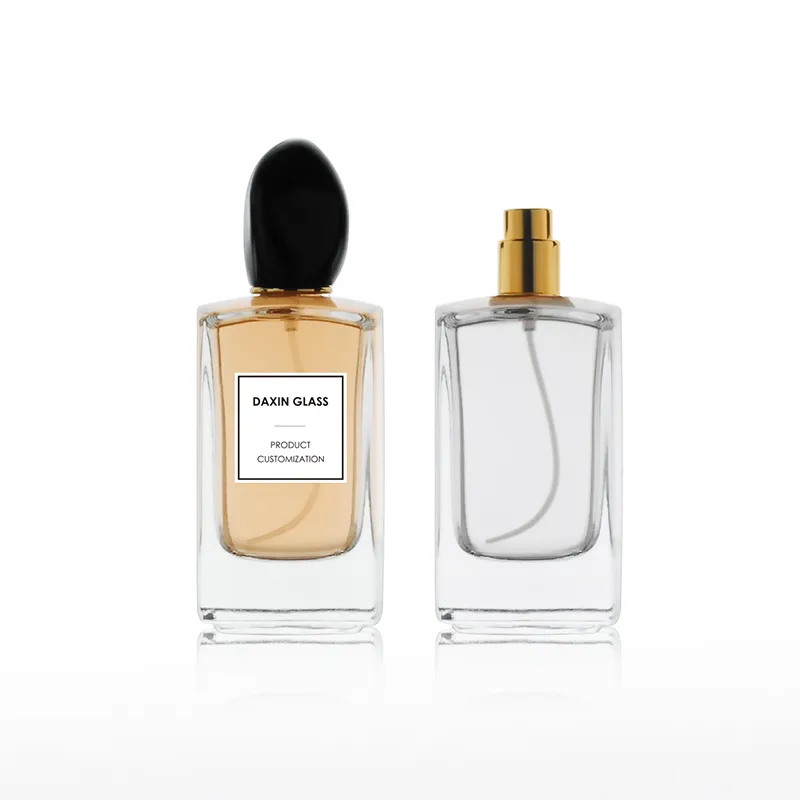
A bottle may sit upright for a day without losing a drop. Then it spends four weeks inside a shipping container. It shakes, tilts, heats up, cools down, and gets handled several times. That journey exposes weaknesses that a basic leak check simply cannot find.
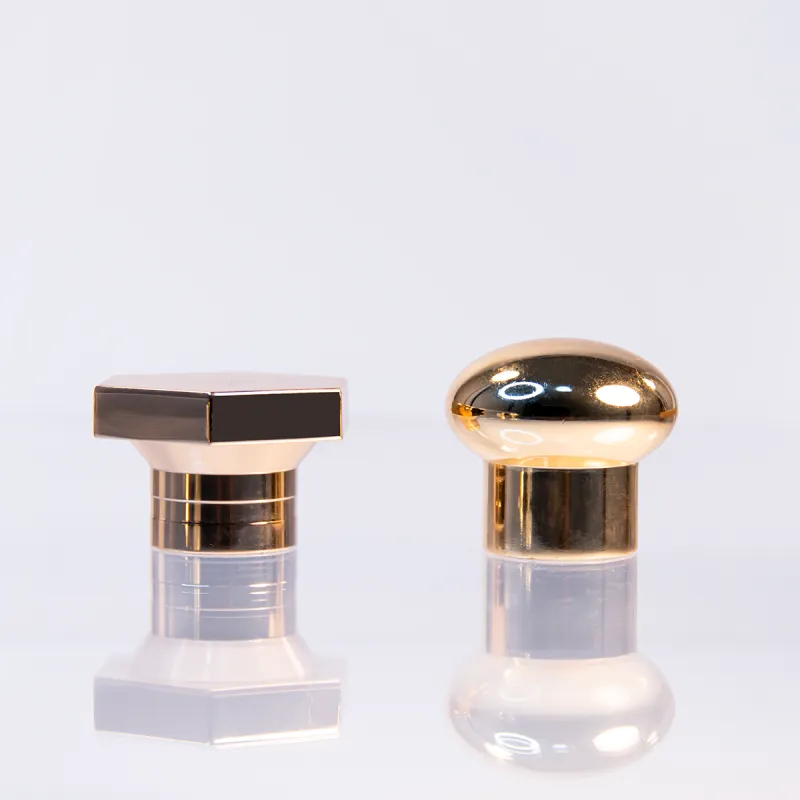
We've dealt with projects where the glass looked perfectly acceptable, yet the pump didn't sit quite right on the neck. Another bottle passed the first inspection but developed leakage after transport testing. In other cases, the cap looked straight on the approved sample, then started drifting slightly during a larger production run.
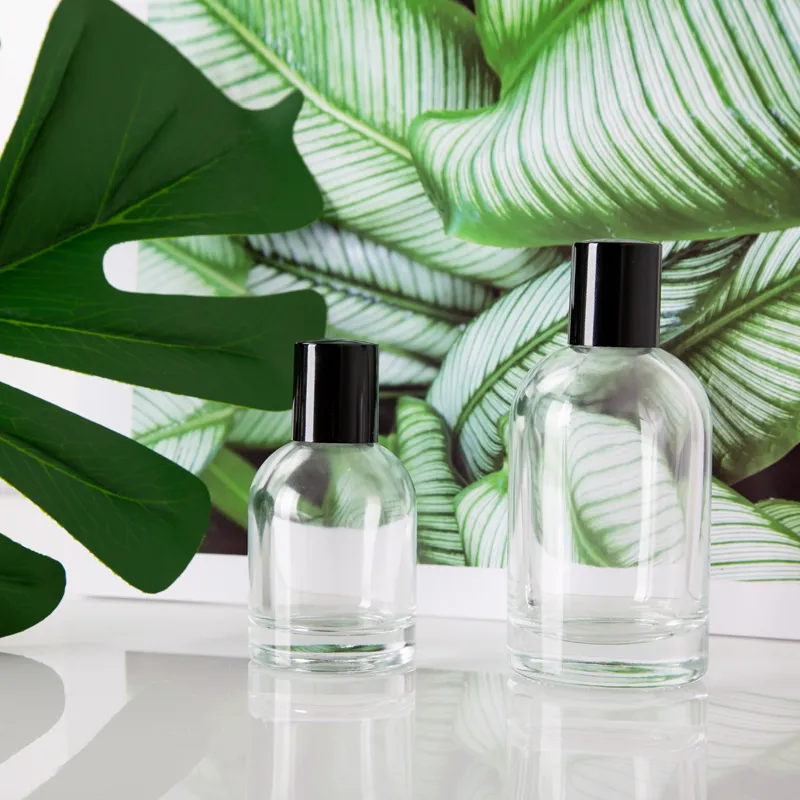
A good perfume bottle has to do more than look expensive. For a fragrance brand, private-label company, distributor, or packaging buyer, the bottle has to survive filling, crimping, decoration, packing, container shipping, warehousing, and daily spraying without turning into a quality complaint.
We always confirm MOQ before requesting a final quotation because available stock, bottle design, decoration, pump type, and color can affect the supplier’s minimum quantity.