
Can perfume bottles be recycled?
Can perfume bottles be recycled?
As sustainability becomes a top priority in the beauty and fragrance sectors, perfume bottles, glass bottles emerge as prime candidates for eco-friendly practices, given that the majority are crafted from glass bottles that offer infinite recyclability without quality degradation. This comprehensive summary addresses whether perfume bottles can be recycled, explaining that while the core glass bottles material supports endless reprocessing into new containers or products, challenges arise from mixed components like plastic pumps, metal collars, decorative coatings, and residual fragrance that require disassembly and preparation for successful recycling. Proper separation and rinsing allow perfume bottles, glass bottles to contribute to resource conservation, energy savings, and reduced landfill waste, aligning with circular economy goals and appealing to environmentally conscious consumers and brands alike.
The Primary Material: Why Glass Makes Perfume Bottles Recyclable
Perfume bottles, glass bottles are predominantly composed of high-quality glass, a material renowned for its 100% recyclability and ability to be reformed indefinitely without losing purity or strength. This inherent property positions perfume bottles, glass bottles as superior to many plastic alternatives in terms of long-term environmental impact. Clear, colored, or frosted glass bottles in perfume bottles can be sorted by hue during recycling, melted at high temperatures, and molded into fresh items, saving raw materials and lowering energy consumption compared to virgin production. By selecting premium perfume bottles, glass bottles from suppliers like Daxin Glass Bottle, brands ensure their packaging supports seamless recycling while maintaining the luxurious aesthetic that defines fine fragrances.

Step-by-Step Guide to Recycling Perfume Bottles Effectively
To recycle perfume bottles, glass bottles successfully, start by fully emptying the contents and rinsing thoroughly with warm water to eliminate fragrance residue that could contaminate batches. Disassemble the perfume bottles by carefully removing the plastic pump, metal collar, and any cap—tools like pliers may help with crimped designs—then place non-glass parts in appropriate waste or specialized recycling streams. Check local guidelines, as many curbside programs accept clean glass bottles from perfume bottles in dedicated glass bins. This preparation maximizes the recyclability of perfume bottles, glass bottles, transforming potential waste into valuable resources and demonstrating responsible disposal habits.
Common Challenges When Recycling Perfume Bottles
While perfume bottles, glass bottles boast excellent recyclability potential, several obstacles often arise. Mixed materials in perfume bottles—such as inseparable plastic sprayers, aluminum collars, or decorative metallic finishes—complicate automated sorting at facilities, sometimes leading to rejection of entire items. Heavy crystal-like glass bottles or those with permanent coatings in luxury perfume bottles may not fit standard glass recycling streams due to additives or contamination risks. These hurdles underscore the importance of designing perfume bottles, glass bottles with easier disassembly in mind, helping brands overcome barriers and enhance overall sustainability.

Innovative Alternatives and Reuse Options for Perfume Bottles
Beyond traditional recycling, perfume bottles, glass bottles lend themselves to creative reuse and advanced programs. Many consumers repurpose empty perfume bottles as stylish vases, essential oil diffusers, or decorative accents, extending their lifecycle beautifully. Refill stations and brand take-back initiatives allow glass bottles in perfume bottles to be cleaned and refilled, minimizing new production needs. Specialized services handle complex perfume bottles that local systems reject, while emerging mono-material designs simplify future recycling of perfume bottles, glass bottles. These approaches promote a more circular model, reducing environmental footprint without sacrificing elegance.
Benefits of Recyclable Perfume Bottles for Brands and the Planet
Opting for recyclable perfume bottles, glass bottles yields significant advantages in both ecological and commercial terms. Recycling glass bottles from perfume bottles conserves natural resources, cuts greenhouse gas emissions, and supports energy-efficient manufacturing. Brands that prioritize sustainable perfume bottles, glass bottles attract eco-minded customers, strengthen loyalty, and differentiate in a competitive market. At Daxin Glass Bottle, our customizable, high-recyclability perfume bottles, glass bottles empower companies to meet green demands while delivering premium packaging that captivates and endures.
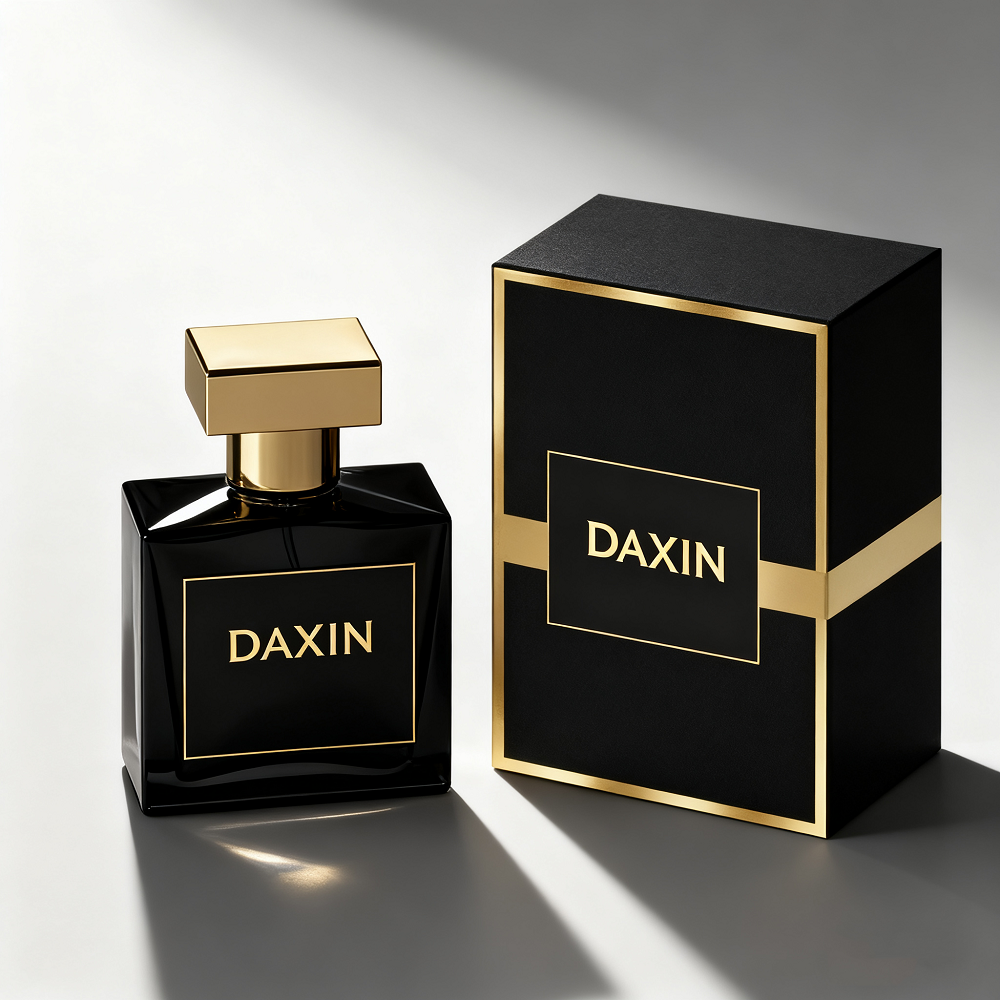
In conclusion, perfume bottles—particularly those featuring durable glass bottles—can be recycled effectively with the right preparation and design choices, paving the way for reduced waste and sustainable luxury in the fragrance world. Embracing recyclable solutions not only preserves environmental resources but also elevates brand reputation among conscious consumers. Discover our eco-friendly perfume bottles, glass bottles collections at https://www.daxinglassbottle.com/ to integrate responsible packaging into your product line today.
FAQs:
1. Can all perfume bottles, glass bottles be placed directly in recycling bins?
No, most perfume bottles, glass bottles require disassembly to remove plastic pumps and metal parts first; always check local recycling rules for acceptance.
2. What happens to the non-glass parts from perfume bottles, glass bottles?
Plastic pumps and metal collars from perfume bottles, glass bottles are often not curbside recyclable and should go to general waste or specialized programs, depending on your area.
3. Are decorative or coated perfume bottles, glass bottles still recyclable?
Decorative coatings or heavy treatments on perfume bottles, glass bottles can hinder recycling; plain, uncoated glass bottles offer the best recyclability chances.