
Glass, Guts, and Glory – A Relaxed Guide to Perfume Bottle Design
Glass, Guts, and Glory – A Relaxed Guide to Perfume Bottle Design
Let’s be real: most people never think about the bottle until it looks gorgeous on their shelf. But behind that Instagram-worthy moment is a whole journey of trial, error, and a little bit of obsession. No jargon bombs. No pretentious theories. Just honest talk about how a fragrance finds its home. You’ll see why prototyping is messy, why glass color matters more than you’d guess, and how to avoid the five most common mistakes.
Why Perfume Bottle Design Feels Like Matchmaking
You wouldn’t put a bold, smoky oud in a thin, pastel-pink bottle, right? Exactly. Perfume bottle design is about emotional alignment. The bottle is the first handshake between the fragrance and the buyer. Before they spray, they judge. So we start by asking: what does this scent want to be?
The “Sip Test” Method
I sometimes hold a rough glass prototype and pretend to drink from it. Silly, but it works. If the bottle feels comfortable like a favorite coffee mug, you’re on the right track. If it’s clumsy or cold, go back. Good perfume bottle design should feel natural in your palm.
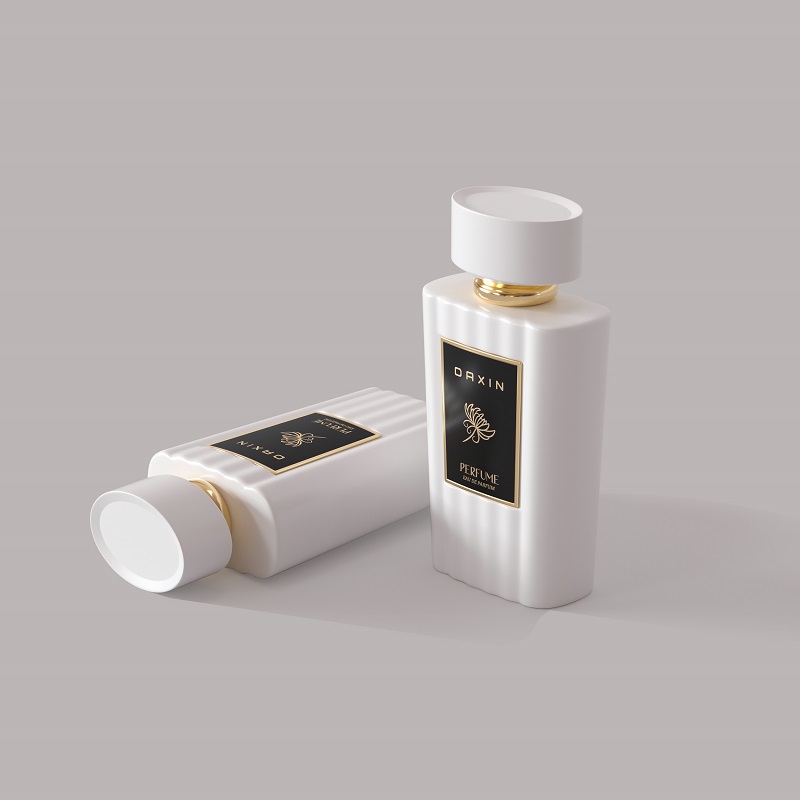
Sketching – Don’t Overthink It
Grab a napkin, a digital pen, whatever. The first ten ideas will be garbage. That’s fine. What matters is capturing the attitude – sleek, playful, gothic, or minimalist. One client wanted a bottle that looked like a raindrop stuck mid-fall. That took 22 sketches, but we got there. That’s the charm of perfume bottle design – it rewards stubbornness.
Mood Boards That Don’t Try Too Hard
We pin everything: vintage car tailfins, a crumpled paper bag, the way light hits a whiskey decanter. Not everything makes sense at first. But weeks later, that crumpled paper becomes a faceted texture on the glass. Trust the messy collage phase.
Working With the Perfumer – Yes, You Have To
I’ve seen designers skip this step and end up with a bottle that actively fights the scent. A fresh, green perfume inside a thick, dark amethyst glass? Mismatch. The perfumer will tell you, “This fragrance is shy – it needs a wide mouth to breathe.” Or, “This one is aggressive – give it sharp angles.” Listen to them. They speak the language of perfume bottle design through smell.
Marketing’s Two Cents (Take It Gracefully)
The sales team will ask for a window cutout so customers can see the liquid level. Or they’ll demand a magnetic cap because “it feels premium.” Some requests are gold; others ruin the design. Learn to say no with data. “We tested that shape and it cracked at 40% humidity.” Boom – discussion over.
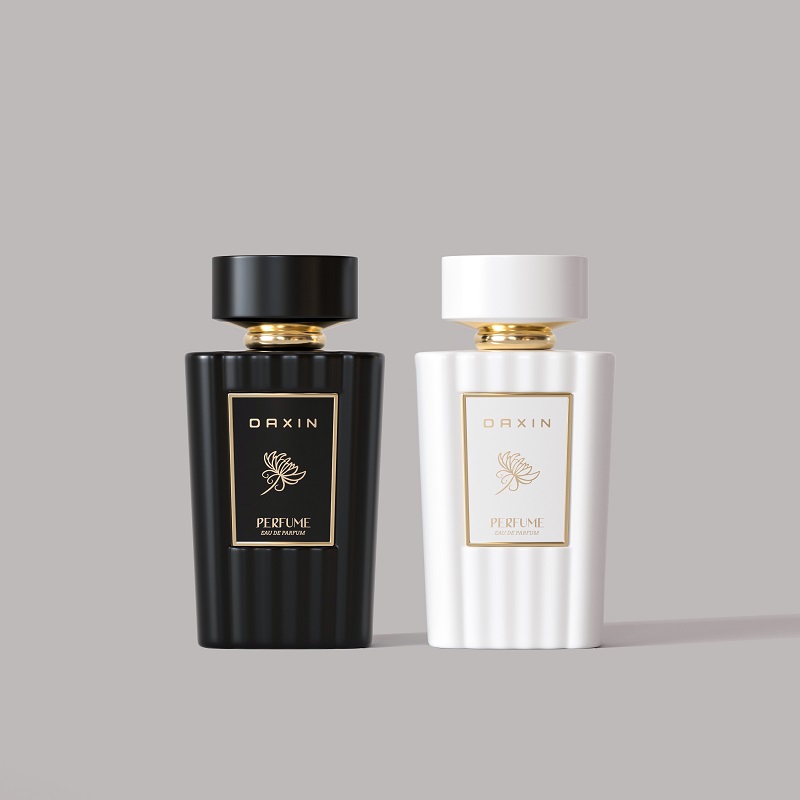
Prototyping – Prepare to Be Humbled
You send your perfect 3D file to the printer. It arrives. You hold it. And… it looks like a toy. The proportions are off. The base is too narrow. This is not failure; this is perfume bottle design telling you the truth. Breathe. Iterate.
The Cardboard and Tape Shortcut
Before spending on resin prints, I sometimes build a rough model from cardboard and hot glue. It takes an hour and instantly shows ergonomic flaws. One brand realized their “elegant tall bottle” tipped over on carpet. Saved $8,000 in tooling. Little hacks like this make perfume bottle design less painful.
Picking Glass – More Than Just Clear
Flint glass (that standard water-white) is the safe bet. But try walking through a luxury store. Notice how many bottles use soft frosted glass or subtle tinted shoulders. A pale green tint (from iron impurities) can give a vintage apothecary vibe. That’s not a defect – that’s style. In perfume bottle design, every imperfection can become a signature.
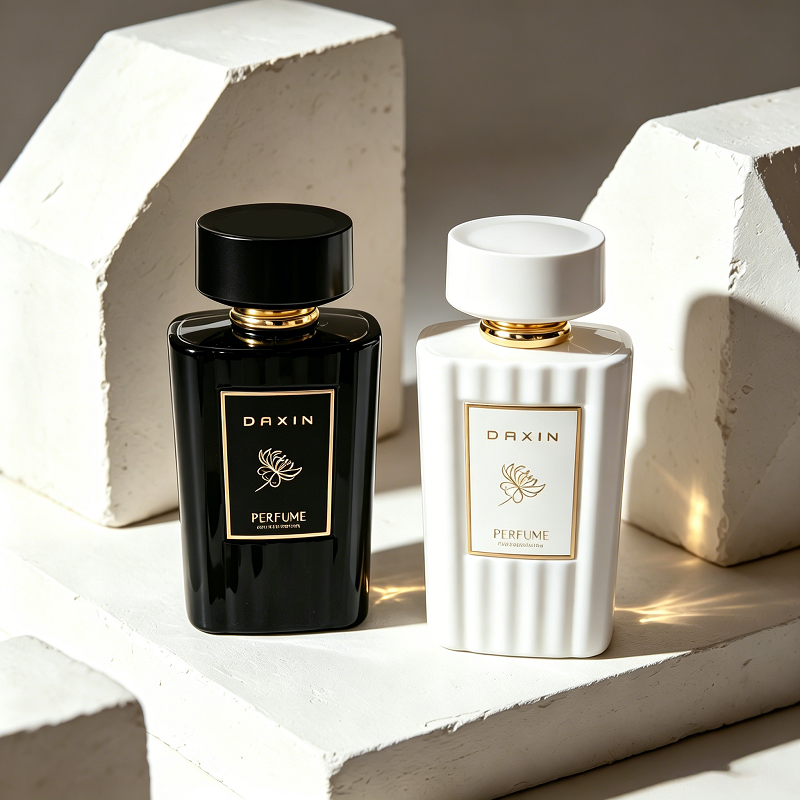
Branding That Doesn’t Scream
You know those bottles with a giant logo embossed on the front? Please don’t. Elegant perfume bottle design hides the branding. An etched monogram on the base. A subtle color band matching the cap liner. Or a custom-shaped stopper that becomes iconic. Think of it as a whisper, not a billboard.
Personalization for Real People
Engraved initials are nice, but what about a swappable charm on the neck? Or a small leather tag attached with a brass ring? Customers eat this up because it makes the bottle feel theirs. We’ve seen repeat purchase rates jump 30% when people can customize one element of the perfume bottle design.
Quality Control – Boring but Vital
Nobody posts about passing a drop test on TikTok. But skip QC, and you’ll get returns, leaks, and angry emails. We do three things:
Thermal shock – bottle goes from -10°C to 40°C in 30 seconds. No cracks.
Torque test – cap must open with 2–4 Nm of force. Too loose? Leaks. Too tight? Customers complain.
Compatibility – fill the bottle, store it upside down for 72 hours. Then check for glass clouding or metal corrosion. That’s real perfume bottle design maturity.
Perfume Bottle FAQs – Straight Talk From the Workshop
Q1: What’s the biggest mistake first-timers make in perfume bottle design?
Underestimating the neck finish. They design a stunning body but forget that the spray pump needs a precise thread. Result? Leaks or pumps that shoot sideways. Always involve a pump manufacturer early.
Q2: How much does a custom perfume bottle design cost to develop?
For a full turnkey service (design, prototyping, mold, sampling), budget 50k. The mold alone is often 20k. Then per-unit cost adds 5 depending on volume. Yes, it’s an investment. But a distinctive perfume bottle design can become your brand’s most valuable asset.
Q3: Can I recycle my perfume bottle after use?
In most curbside programs, yes – but remove the pump and cap first (different materials). However, the glass itself is infinitely recyclable. Many luxury brands now promote refill systems, where you keep the beautiful outer perfume bottle design and buy recyclable inner cartridges.
Q4: What’s the trend right now in perfume bottle design?
Three things:
Thick, weighted bases – feels expensive and stays put.
Soft-touch coatings – a velvety matte finish that resists fingerprints.
Biophilic shapes – organic, pebble-like forms that mimic nature.
But trends fade. A timeless perfume bottle design focuses on balance and feel.
Q5: How do I find a reliable glass bottle manufacturer?
Attend trade shows like Luxe Pack or Cosmoprof. Ask for references and sample runs. Never pay full mold cost upfront without a contract that specifies lead times and quality standards. And always – always – order a pilot batch of 200–500 units before full production. That small test saves nightmares.