
How to make diffuser bottles?
How to make diffuser bottles?
Making diffuser bottles at home or for small-batch production is a straightforward, creative process that involves selecting high-quality glass vessels, choosing the right carrier oil and essential oil blend, adding reeds or rattan sticks, and assembling everything safely to create long-lasting, beautifully scented home fragrance products that elevate any space.
At Daxin Glass Bottle, we specialize in premium diffuser bottles crafted from thick, crystal-clear glass designed specifically for reed diffusers, offering both stock and custom options that make professional-quality diffuser bottles accessible to brands, artisans, and DIY enthusiasts alike. Whether you're launching a new home fragrance line, crafting personalized gifts, or simply experimenting with custom scents, understanding how to make diffuser bottles properly ensures optimal fragrance release, elegant presentation, and customer satisfaction. This step-by-step guide covers everything from materials and ratios to assembly tips and safety best practices for creating stunning diffuser bottles every time.
Essential Materials Needed to Create Diffuser Bottles
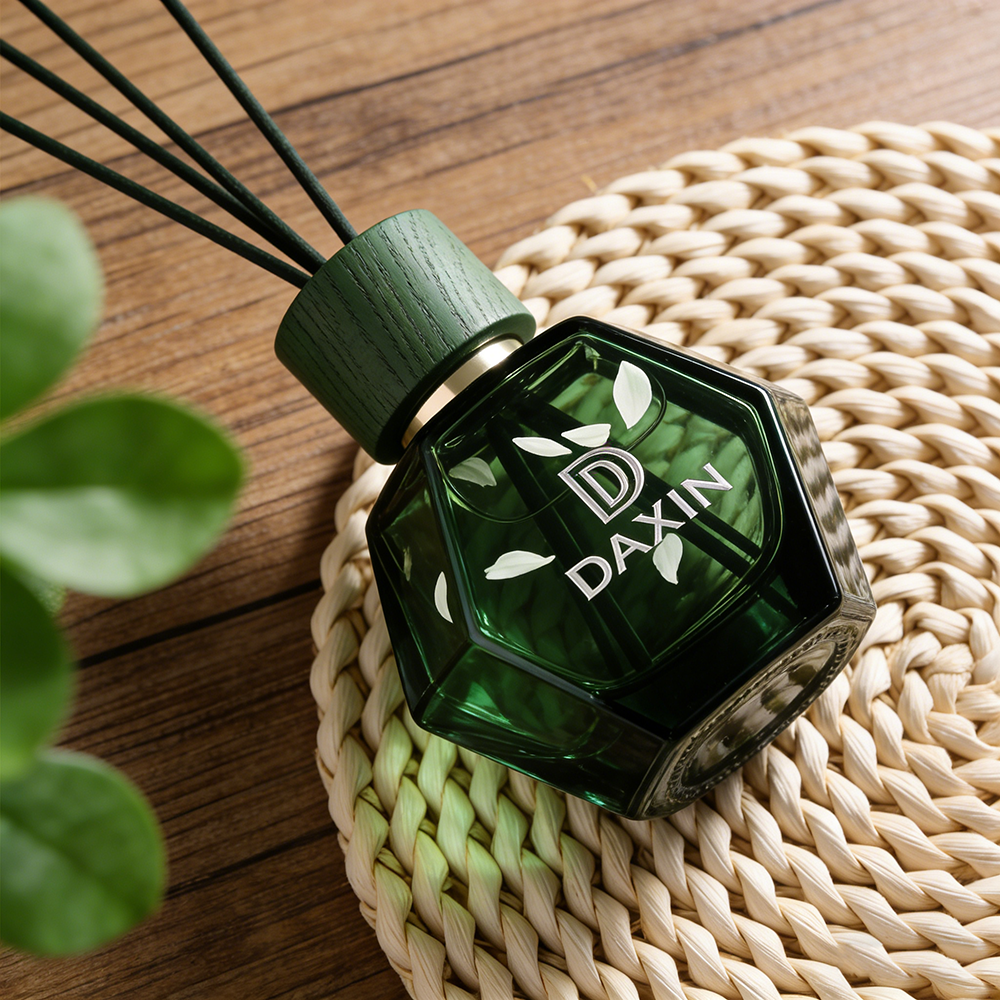
The foundation of any great diffuser bottles project starts with the right components. Begin with a high-quality glass diffuser bottle—choose thick-walled, narrow-neck designs (50ml to 200ml are most popular) to minimize evaporation and provide a luxurious feel. At Daxin Glass Bottle, our diffuser bottles feature smooth interiors, precise neck finishes, and optional decorative elements like frosting or color coating for added appeal.
You'll also need: carrier/base oil (such as fractionated coconut oil, sweet almond oil, or diffuser-specific base oils), pure essential oils or fragrance oils, natural rattan reeds or fiber sticks (5–10 per diffuser bottle), and optionally decorative accents like dried flowers, crystals, or wooden caps. Avoid vegetable oils that can go rancid; always select non-greasy, low-odor carriers optimized for diffuser bottles to ensure clean, consistent scent diffusion.
Step-by-Step Process for Making Diffuser Bottles
Start by preparing your workspace in a well-ventilated area. Measure and pour your carrier oil into the clean, dry diffuser bottle—fill to about 70–80% capacity to leave room for oils and prevent overflow when inserting reeds.
Next, add your fragrance blend: a common ratio is 20–30% essential/fragrance oil to 70–80% carrier oil, though testing small batches helps achieve your desired strength. Stir gently with a thin stick or swirl the diffuser bottle carefully to mix without creating bubbles. For stronger scents, increase the fragrance percentage slightly, but never exceed 40% to avoid clogging reeds in your diffuser bottles.
Insert 5–10 reeds (depending on diffuser bottle size and desired intensity) into the neck. Let the diffuser bottles sit for 24–48 hours so the reeds can fully saturate and begin releasing fragrance effectively.
Choosing the Right Oils and Ratios for Perfect Diffuser Bottles
The scent longevity and throw of your diffuser bottles depend heavily on oil selection and blending ratios. Top notes (citrus, herbal) provide initial brightness, middle notes (floral, spice) form the heart, and base notes (woody, vanilla, musk) anchor the fragrance for lasting power in diffuser bottles.
Popular beginner blends include lavender + bergamot for calm, cedarwood + sandalwood for sophistication, or eucalyptus + peppermint for freshness. Use high-quality, skin-safe fragrance oils for stronger, more consistent performance in diffuser bottles compared to pure essentials. Always patch-test blends and adjust ratios based on testing—stronger concentrations work well in smaller diffuser bottles, while lighter mixes suit larger ones.
Tips for Assembling and Customizing Your Diffuser Bottles
Presentation turns homemade diffuser bottles into premium products. Secure reeds firmly but not too tightly in the neck to allow airflow. For added elegance, tie decorative ribbon around the diffuser bottle neck, attach custom hang tags, or incorporate seasonal elements like cinnamon sticks or dried orange slices (without blocking diffusion).
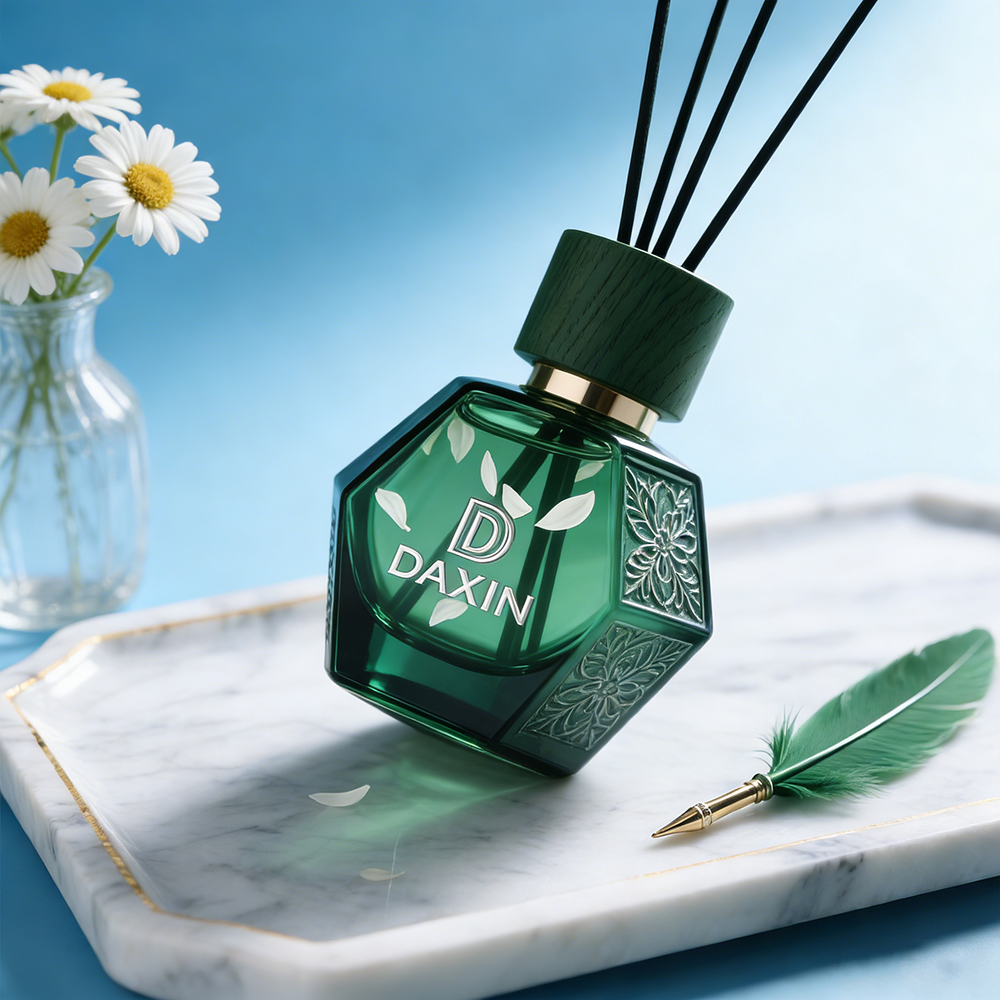
Customize further by choosing colored diffuser bottles, etched designs, or unique shapes from suppliers like Daxin Glass Bottle. Label clearly with fragrance name, ingredients, and usage instructions to build trust. For professional results, maintain consistent fill levels across all diffuser bottles in a batch and store filled diffuser bottles away from direct sunlight and heat to preserve scent integrity.
Common Mistakes to Avoid When Making Diffuser Bottles
One frequent error is overfilling the diffuser bottle, which causes spills when reeds are inserted or during transport. Another is using cooking oils or water-based mixtures that fail to wick properly or spoil quickly. Never use plastic containers for long-term diffuser bottles—glass is essential for preventing chemical leaching and maintaining clarity.
Skipping the initial reed-flipping wait period or using too few reeds results in weak diffusion. Always work in small batches when experimenting with new blends to avoid wasting materials on unsuccessful diffuser bottles. By following these guidelines and sourcing reliable diffuser bottles from trusted manufacturers, you'll consistently produce high-performing, visually appealing fragrance diffusers.
In conclusion, making diffuser bottles is an accessible and rewarding process that combines creativity, quality materials, and simple techniques to deliver beautiful, effective home fragrances—whether for personal use or commercial collections, partnering with Daxin Glass Bottle ensures you start with superior diffuser bottles that enhance every creation and delight your customers.
FAQs:
1. What is the best carrier oil for making diffuser bottles?
Fractionated coconut oil or dedicated diffuser base oils are the top choices for diffuser bottles because they remain liquid, have virtually no scent, and wick fragrance effectively through reeds without going rancid quickly.
2. How long do homemade diffuser bottles last?
A properly made diffuser bottle typically lasts 2–4 months depending on room size, reed count, fragrance strength, and placement. Flipping reeds periodically and refilling with the same blend can extend the life of your diffuser bottles.
3. Can I reuse glass diffuser bottles for new scents?
Yes! Thoroughly clean empty diffuser bottles by rinsing with warm soapy water, then alcohol or vinegar to remove oil residue, and allow to dry completely before refilling. Premium diffuser bottles from Daxin Glass Bottle are durable and designed for multiple uses with proper care.