
The Design Language Behind a Modern Perfume Bottle
The Design Language Behind a Modern Perfume Bottle
The perfume bottle is more than packaging—it frames the fragrance experience through form, texture, and detail. From the first sketch to the finished piece, a well-crafted perfume bottle reflects brand identity while meeting practical demands in daily use.
Concept and Visual Direction
From Brand Story to Form
Every perfume bottle begins with a clear visual direction. Designers translate brand narratives into shapes and proportions—whether a clean geometric perfume bottle for a contemporary line or a sculpted silhouette for a premium release. The goal is coherence: the perfume bottle should feel like a natural extension of the fragrance itself.
Material and Surface Treatment
Glass as the Core Medium
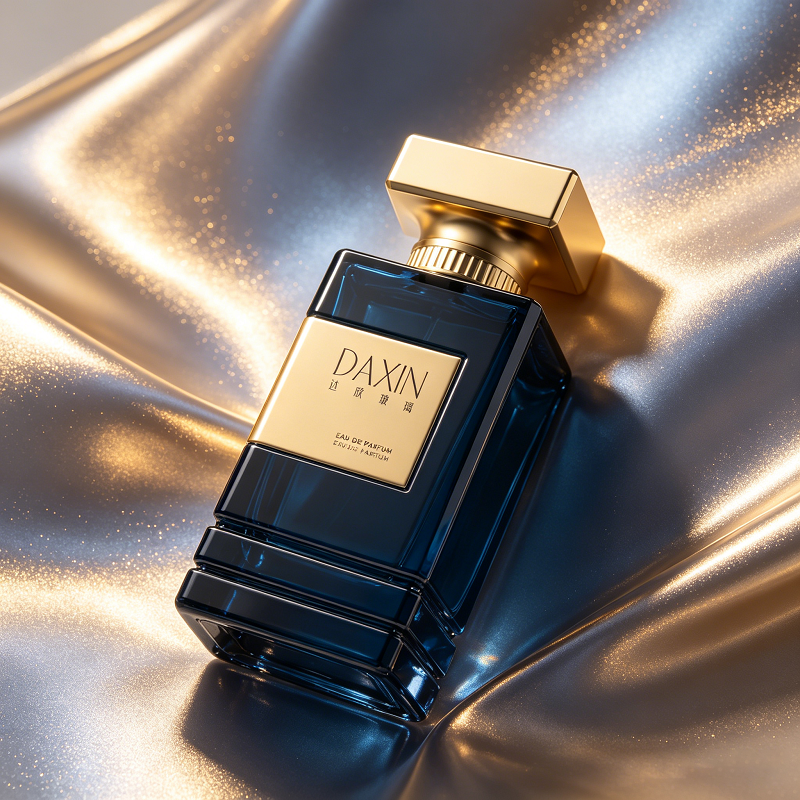
Glass remains the preferred material for a perfume bottle due to its clarity and stability. Techniques such as frosting, gradient coloring, and inner coating allow each perfume bottle to carry a distinct visual tone without compromising product integrity. Metal caps or weighted bases are often introduced to balance both touch and appearance.
Structure and User Experience
Balancing Form with Function
A refined perfume bottle is designed for comfort in hand and precision in use. Neck finish, spray compatibility, and cap fit all influence the experience. Refillable perfume bottle structures are also gaining traction, offering both sustainability and long-term usability.
Decoration and Detail
Subtle Craftsmanship
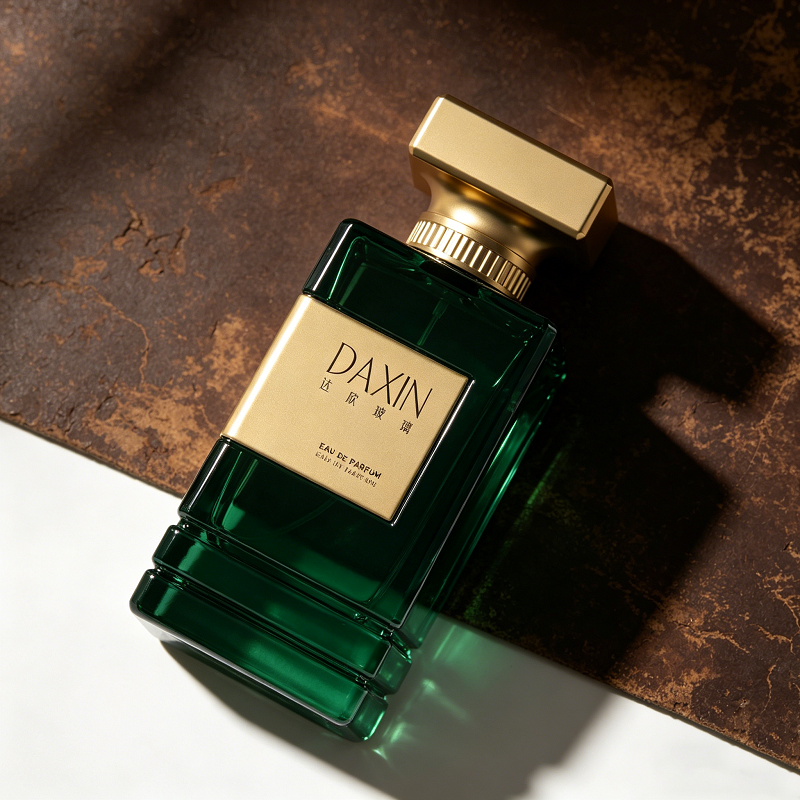
Decoration defines character. Screen printing, hot stamping, and engraving are carefully applied to enhance the perfume bottle without overwhelming its form. For higher-end projects, fine detailing—such as embossed logos or polished edges—adds depth and quiet sophistication.
Prototyping and Production
Refinement Through Testing
Before mass production, each perfume bottle undergoes sampling and testing. Spray performance, sealing, and durability are evaluated to ensure consistent quality. Adjustments at this stage often determine the final success of the perfume bottle in the market.
Market Direction
Simplicity and Sustainability
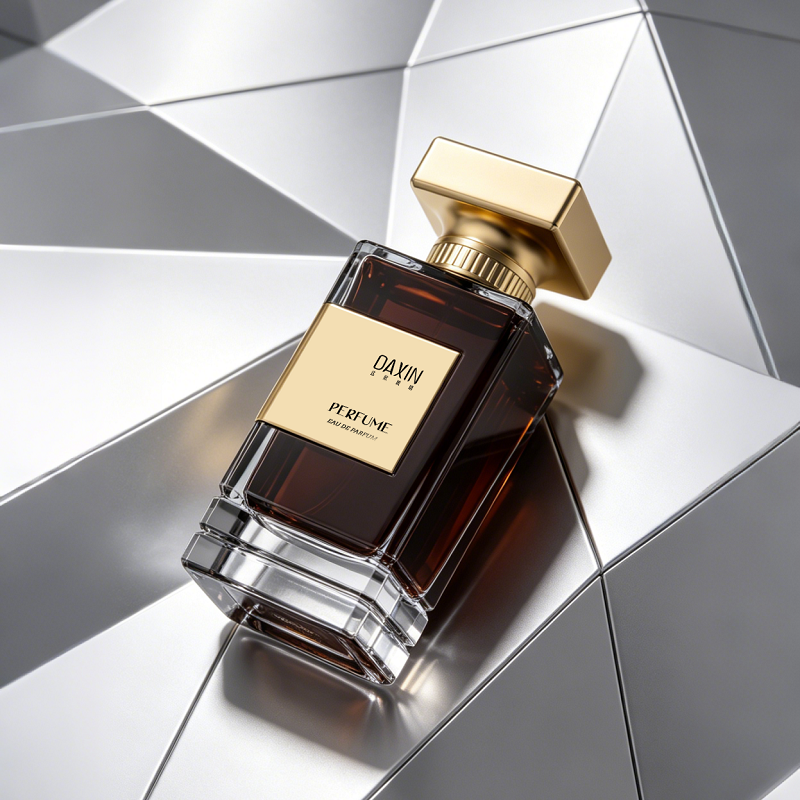
Current trends favor a perfume bottle that is lighter, cleaner in design, and easier to recycle. Minimalist aesthetics paired with refill systems are becoming standard considerations in new developments.
Perfume Bottle FAQs:
Q1: Why is glass widely used for a perfume bottle?
Glass preserves fragrance stability and allows flexible design treatments.
Q2: What defines a premium perfume bottle?
Precision in proportions, refined surface finishing, and well-engineered components.
Q3: Are refillable perfume bottle designs practical?
Yes, they reduce waste and extend product life while maintaining usability.