
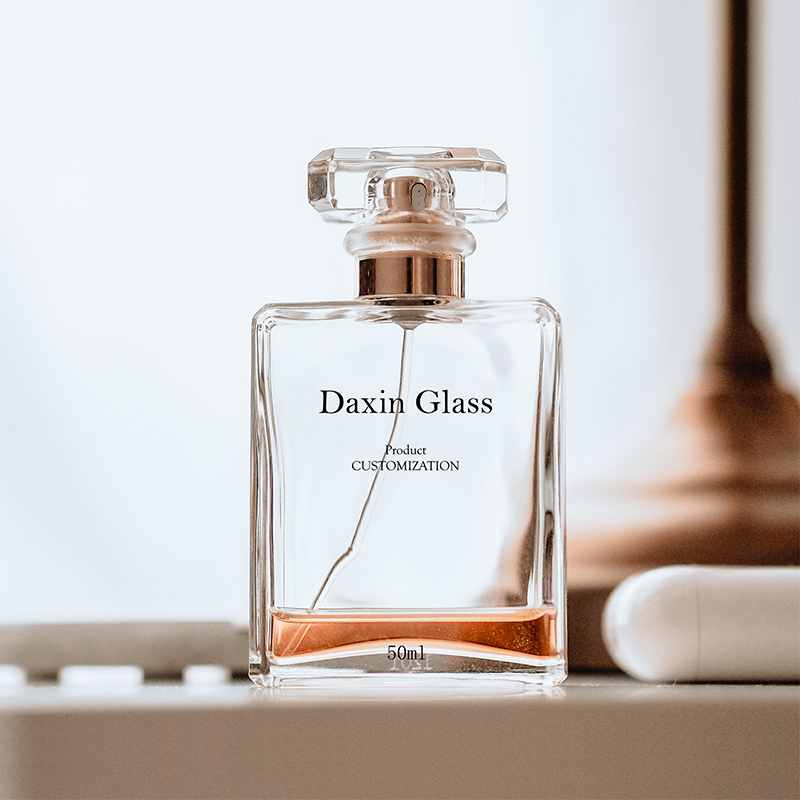
Perfumes are sold in a variety of bottle sizes which indicate the volume of fluid in the bottle, decant or vial of scent. They are typically measured in milliliters (ml) or ounces. When measured in ounces this is generally indicated by fl oz. or just oz.
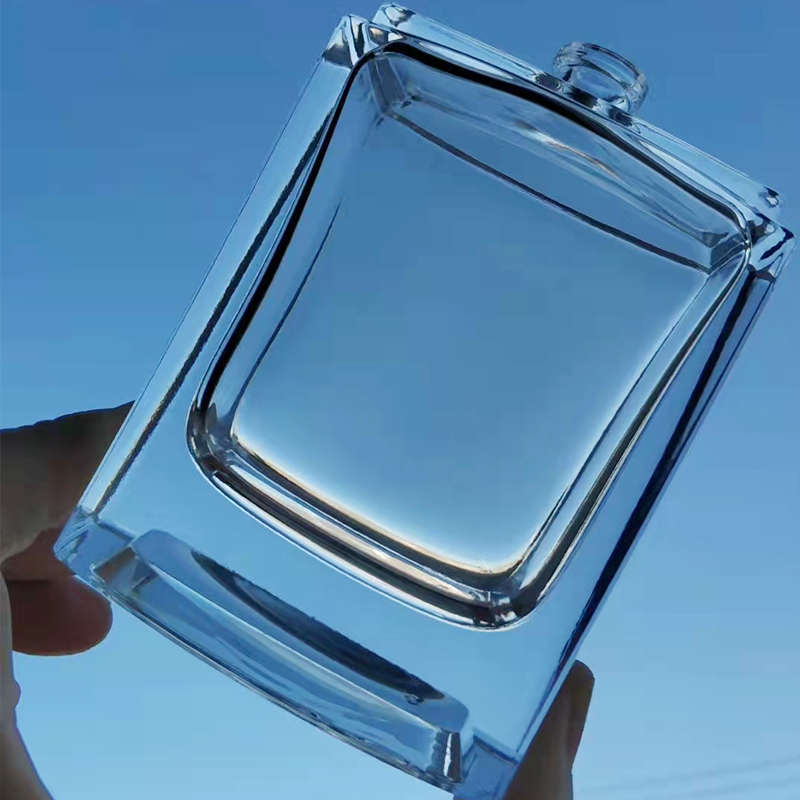
Everyone may wish to reuse an empty perfume bottle. So we need to clean glass perfume bottle competely. There are many steps to clean perfume bottles.
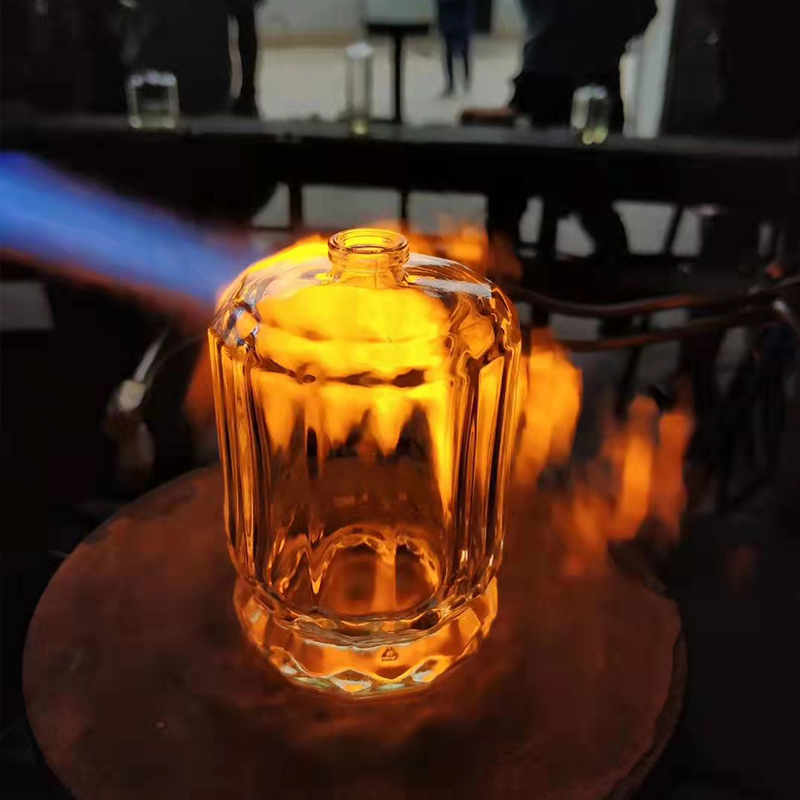
Fire polishing is a technique employed in glass fabricating. It also known as flame polishing, is a method of polishing a material, usually glass or thermoplastics, by exposing it to a flame or heat. There are many advantages.
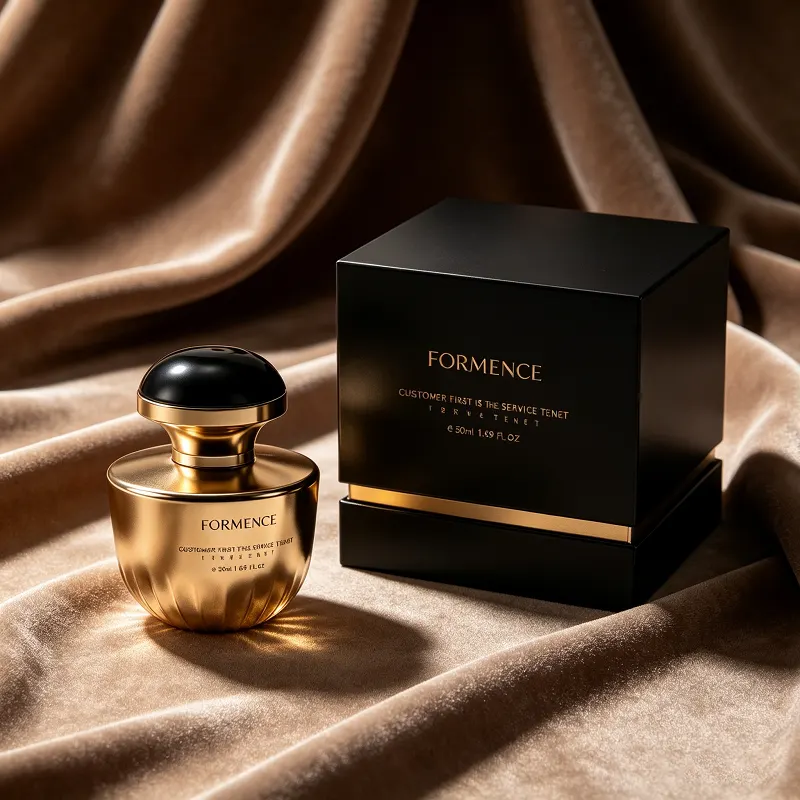
At Daxin Glass, we specialize in end-to-end Perfume Packaging that covers every essential element: high-quality glass bottles, precision caps, efficient pumps, and premium gift boxes.
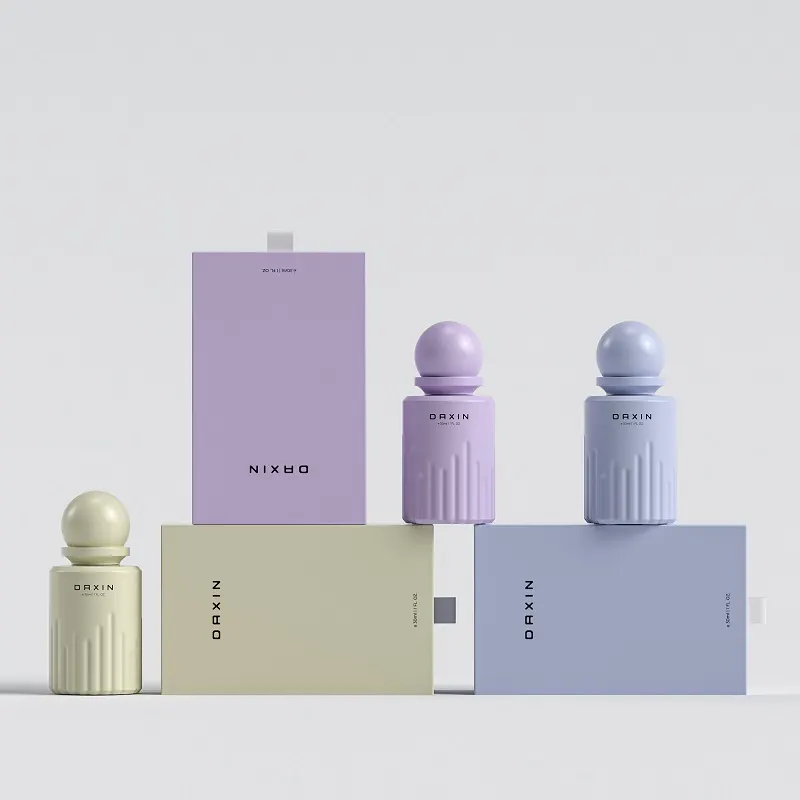
Discover DAXIN perfume bottles in three soft pastel finishes (off-white, lilac, light blue) with ribbed texture, spherical caps and matching gift boxes. Explore our spray finishing, color confirmation and quality control process — browse bottle types and finishing pages for your custom order.
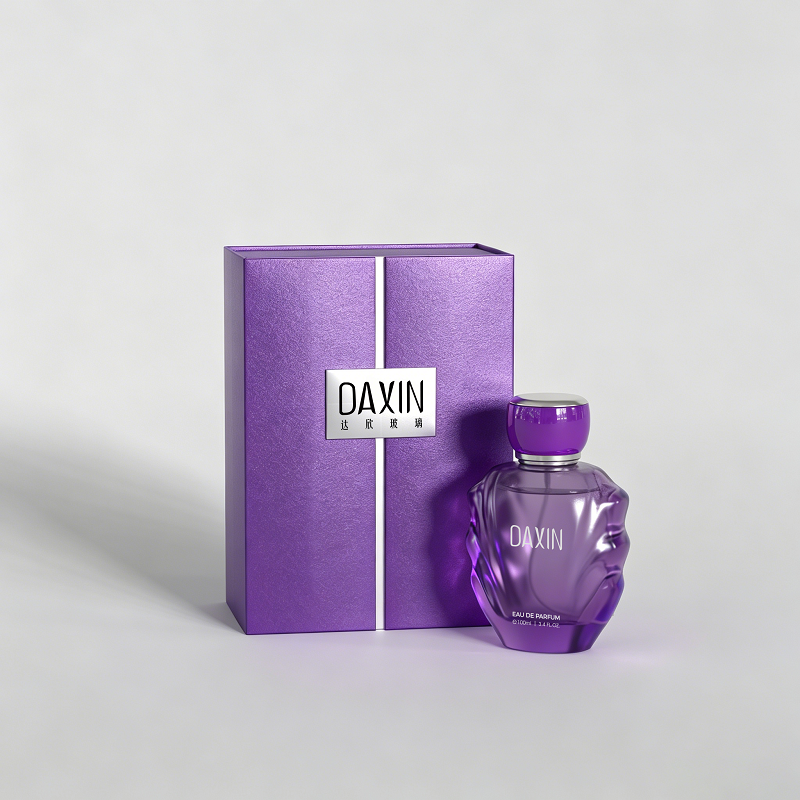
At DAXIN Glass, a perfume bottle begins long before the first drop of fragrance is poured. It starts with a simple question: how should the vessel feel in the hand, and what quiet story should the glass tell?
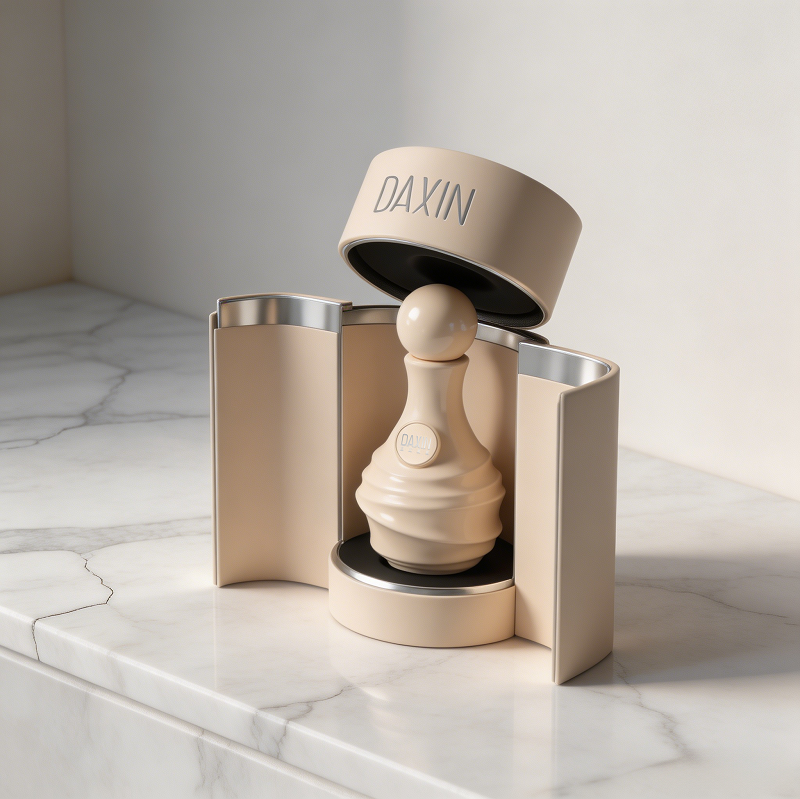
From the first loose pencil strokes on paper to the polished final product, the creation of the DAXIN perfume bottle was a thoughtful exploration of form, function, and sensory appeal. This design process blended organic curves with structured details to capture a sense of quiet luxury.
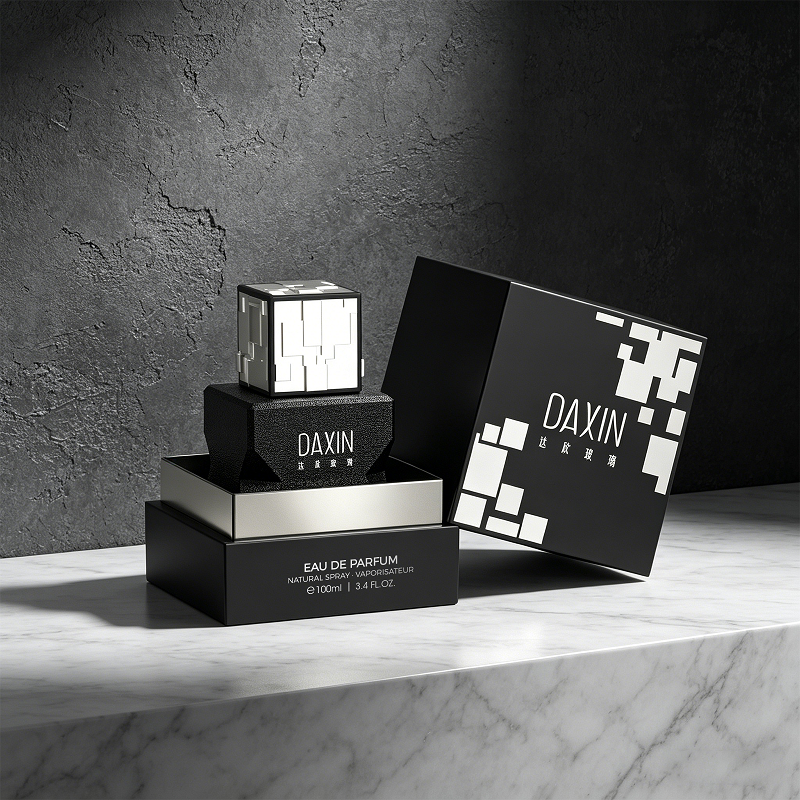
Perfume has always been more than just a scent—it is an extension of identity, a silent statement of personal style, and a vessel for emotion. At the heart of every unforgettable fragrance lies a perfume bottle that captures the essence of the brand it represents. At DAXIN Glass, we believe that a great glass bottle is not just a container; it is a piece of art, crafted to turn a simple fragrance into a timeless experience. Our latest new design perfume bottle collection embodies this philosophy, blending bold geometric innovation, premium craftsmanship, and thoughtful design to redefine what a luxury perfume vessel can be.
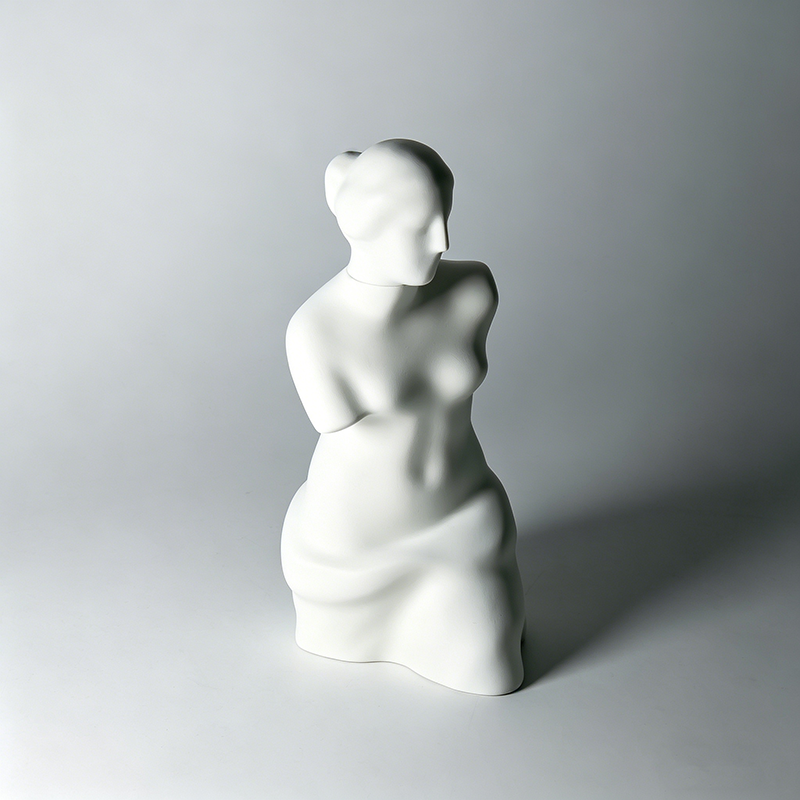
Perfume bottles are the first impression of a fragrance— they catch the eye, evoke emotion, and hint at the scent inside. At DAXIN GLASS, our Venus perfume bottle project was more than just a custom perfume bottle design; it was a labor of love, where every detail was refined to honor the goddess of beauty while meeting the practical needs of our client. In this article, we dive into the final design tweaks, production process, and quality control measures that turned our prototype into a stunning, market-ready luxury perfume bottle— one that stands out as both an art piece and a functional empty perfume bottle.
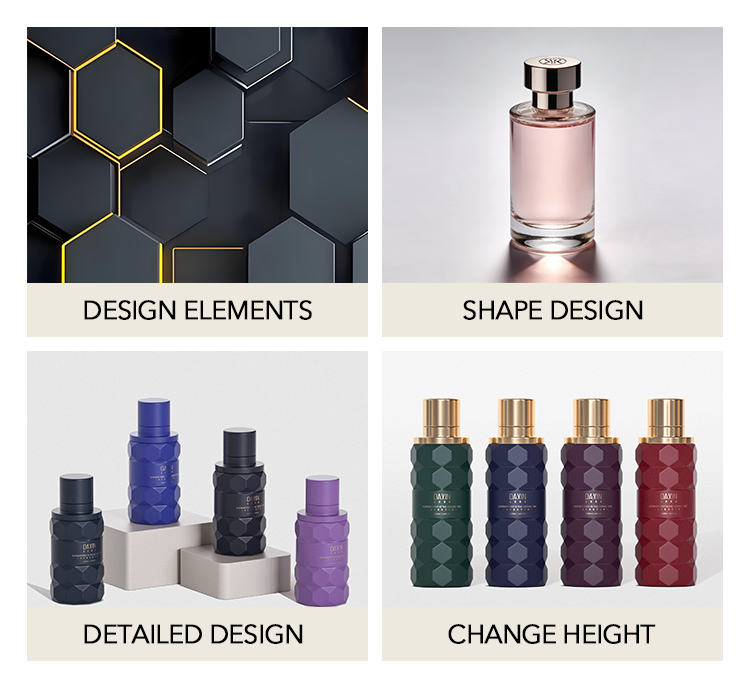
Many renowned perfume brands integrate brand philosophy, market positioning, and aesthetic creativity when designing new glass packaging bottles. A well-crafted glass bottle can significantly enhance a brand's appeal and boost its recognition in a crowded market. In contrast, a generic design may cause the product to blend in, affecting sales performance.
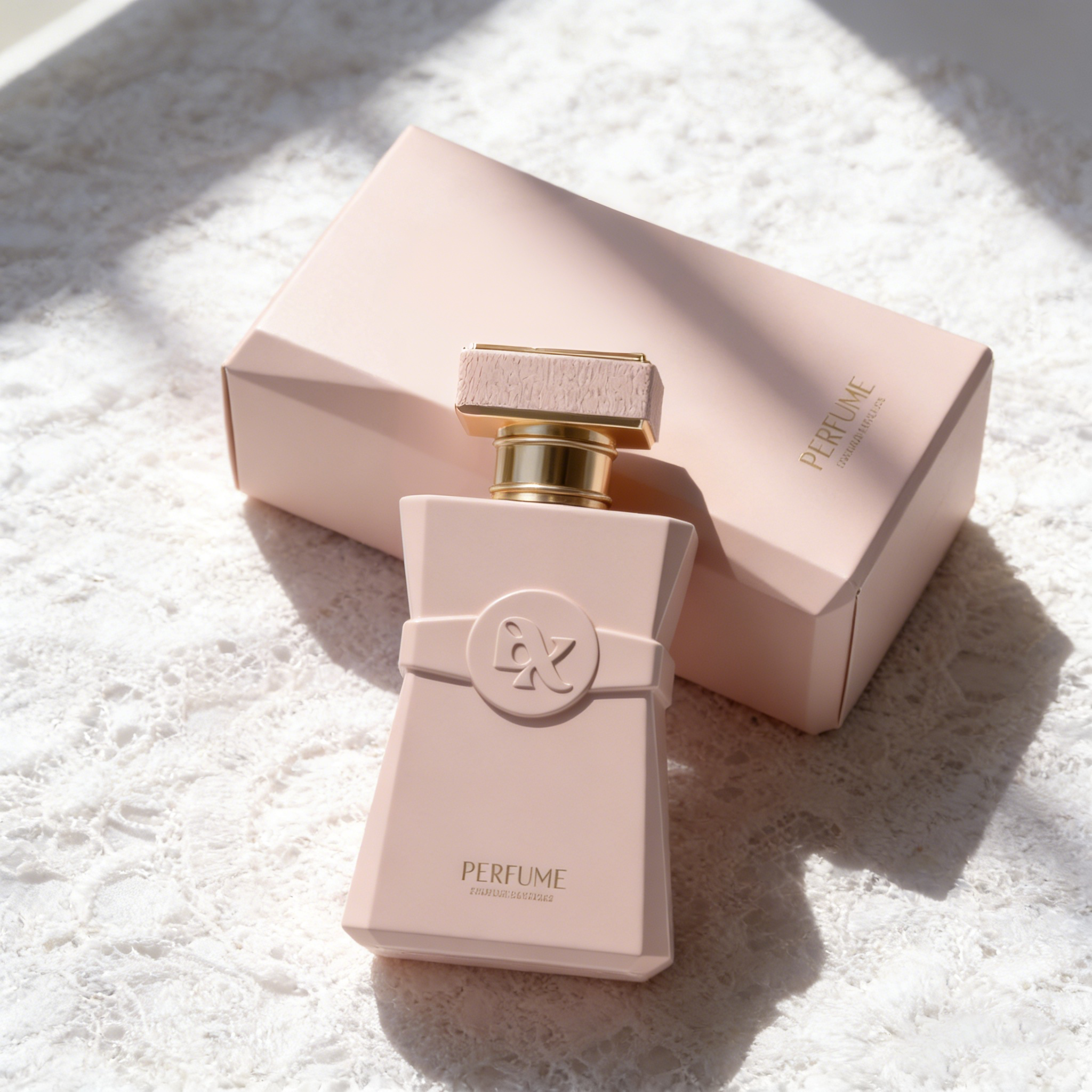
A well-designed Perfume Bottle defines how a fragrance is perceived from the very first glance. For premium positioning, the balance between form, material, and tactile experience shapes a complete story. A refined perfume bottle not only protects the scent but also communicates identity through every detail, from silhouette to finish.
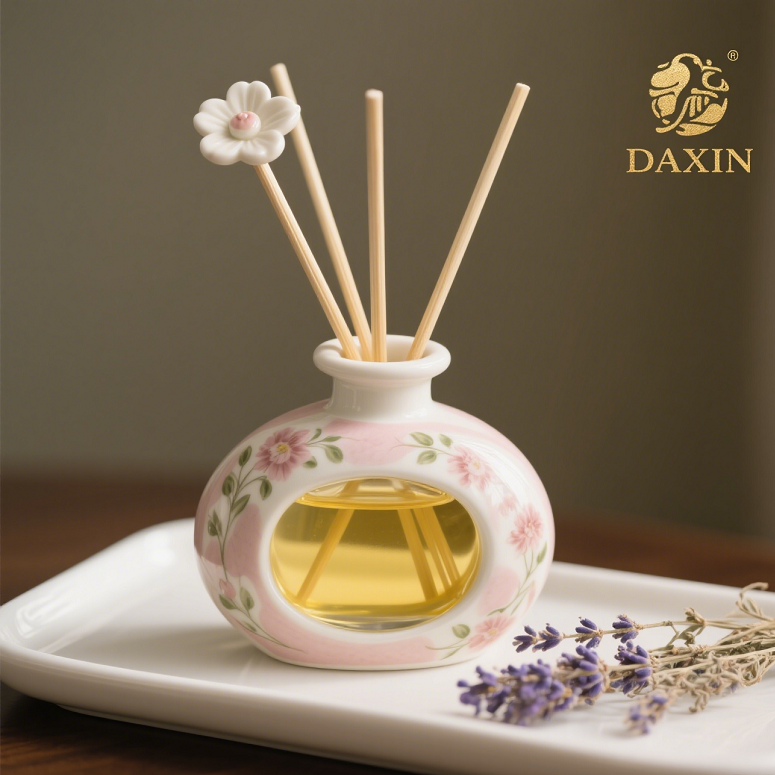
Cleaning a reed diffuser bottle properly extends its life, prevents residue buildup, and allows safe reuse with new fragrances, typically involving a simple process of draining remaining oil, rinsing with warm soapy water or alcohol, and thorough drying to restore the reed diffuser bottle to like-new condition for your next scent experience.