
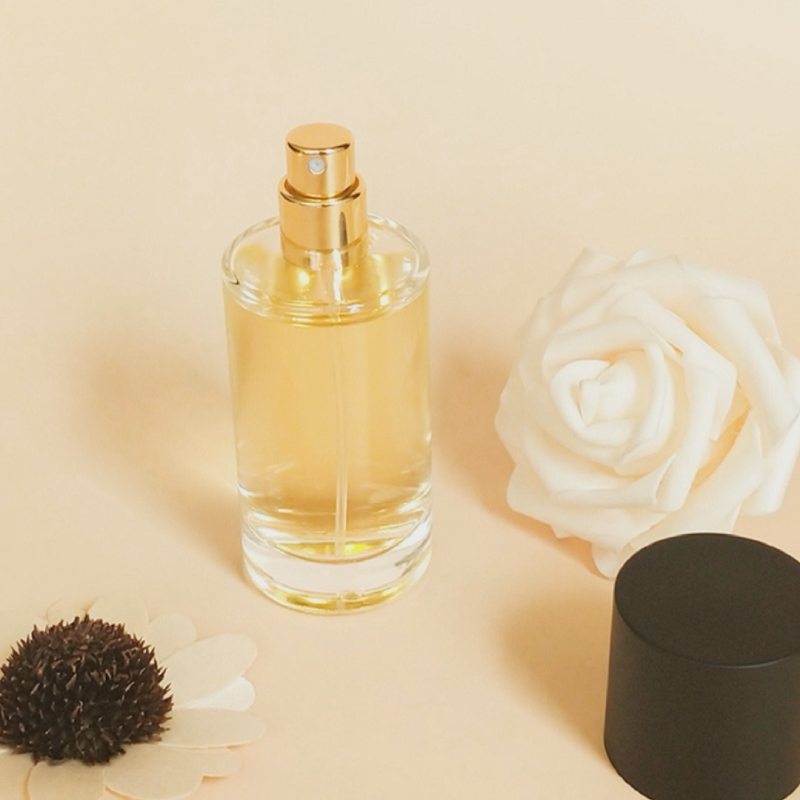
Creating glass perfume bottle can be accomplished by one of two different processes – the Blow and Blow, or the Press and Blow process. Each process is chosen based on the kind of glass perfume bottle being made.
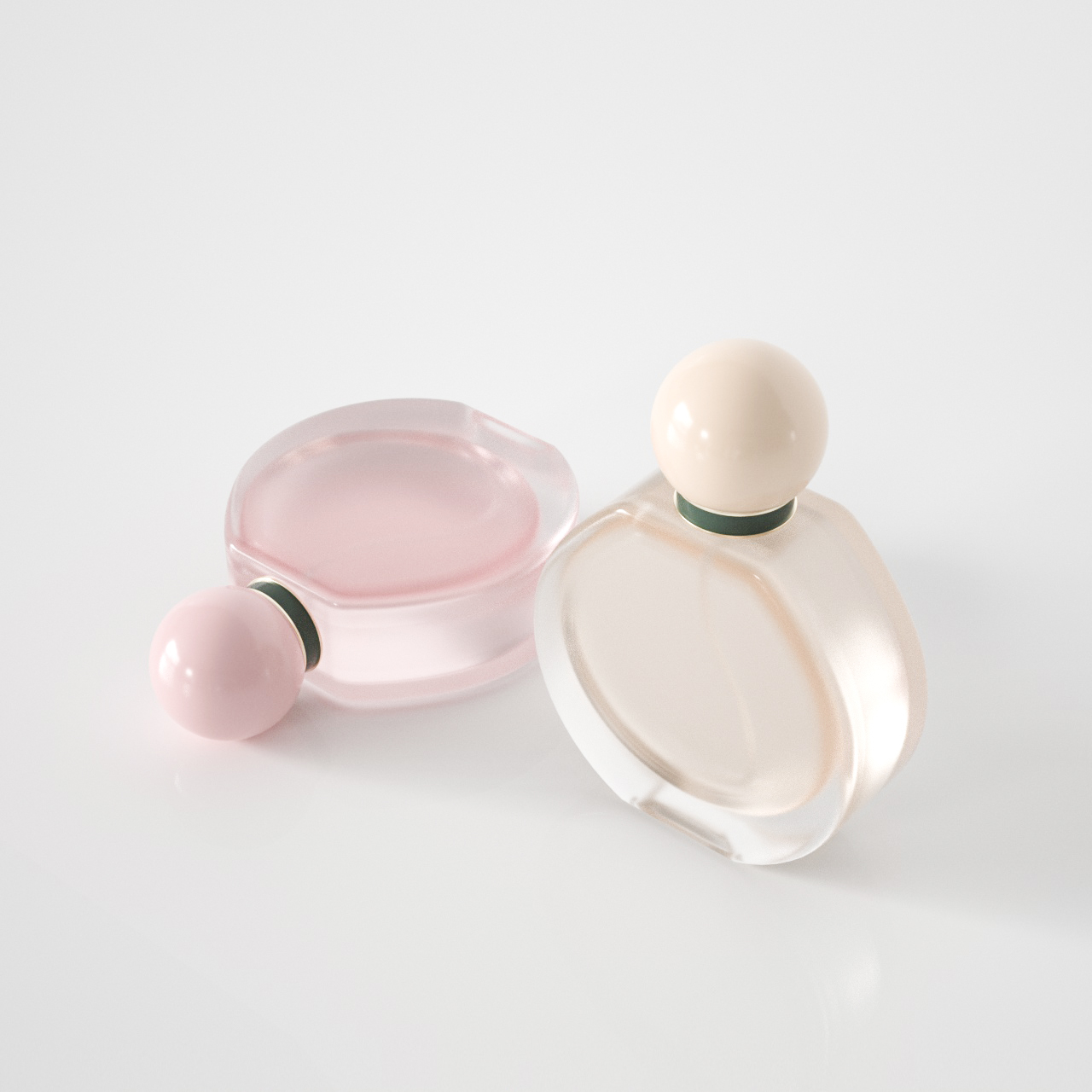
All you need to do is spraying the leftover perfume on dry cotton balls or unscented dried flowers. And then you can place these little fragrant wonders in the particularly place.
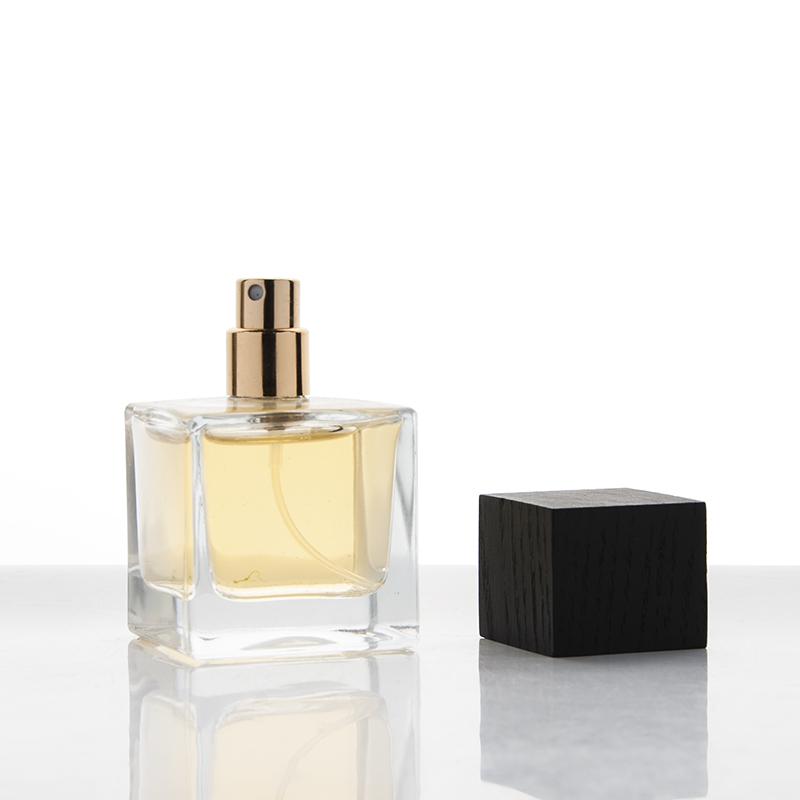
Knowing how to refill perfume bottles is a great skill for someone to travel. Necessary tools: Main Perfume Bottle, Pliers, Scissors, Funnel or syringe, Empty bottle, Tissue or thin cloth.
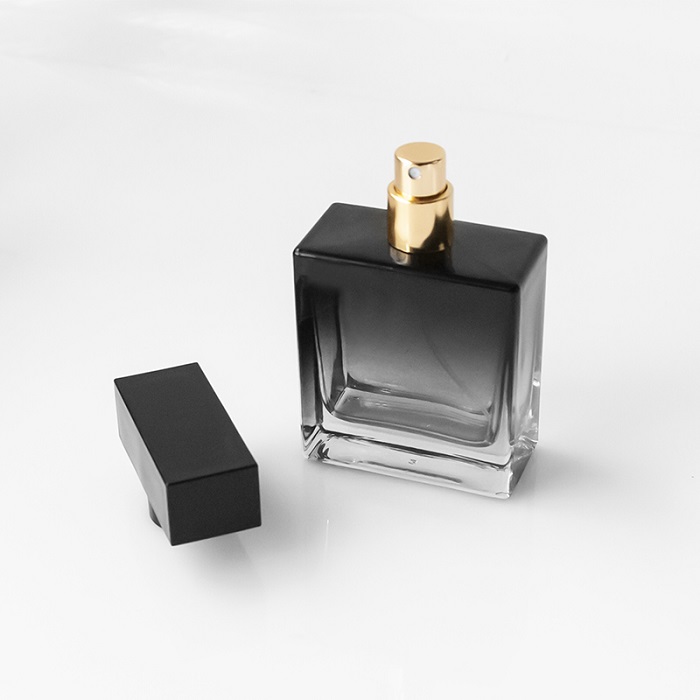
Do not spray perfume on the face or exposed locations that are easily exposed to the sun, so as to prevent the volatile oil in the perfume from chemically reacting with ultraviolet rays to cause dark spots, inflammation, and so on.
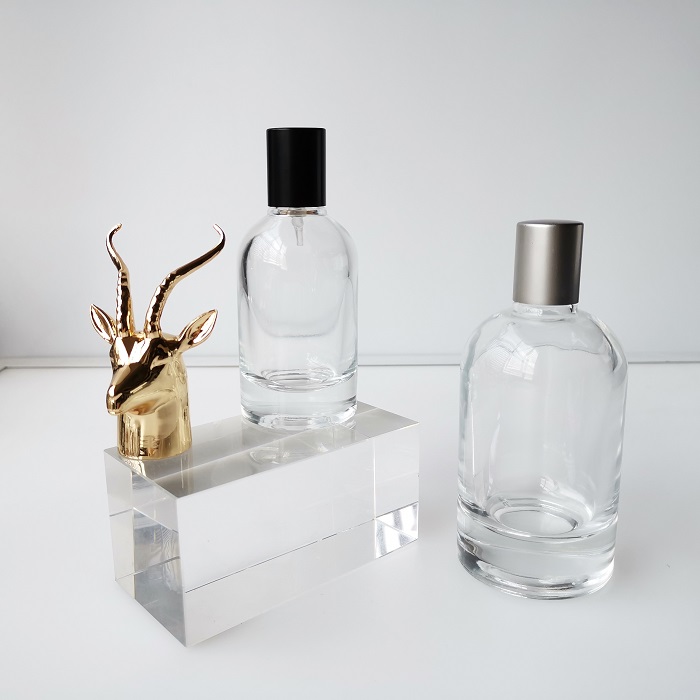
Perfume bottles cannot be refilled with perfume. The perfume nozzle and the bottle body are crushed and cannot be used for the second time.
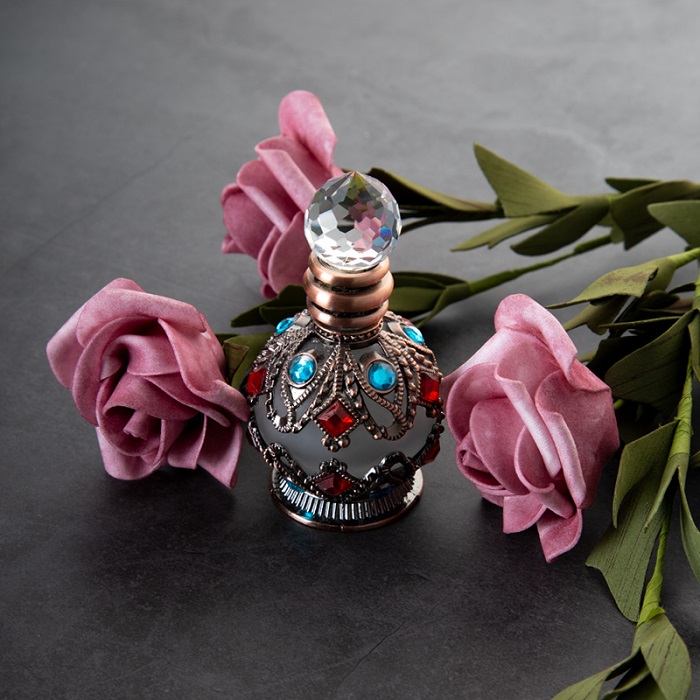
In some cases, you may wish to reuse an empty glass perfume bottle for several years. But you can't clean it well. Today, I will show you a good choice to clean galss perfume bottle.
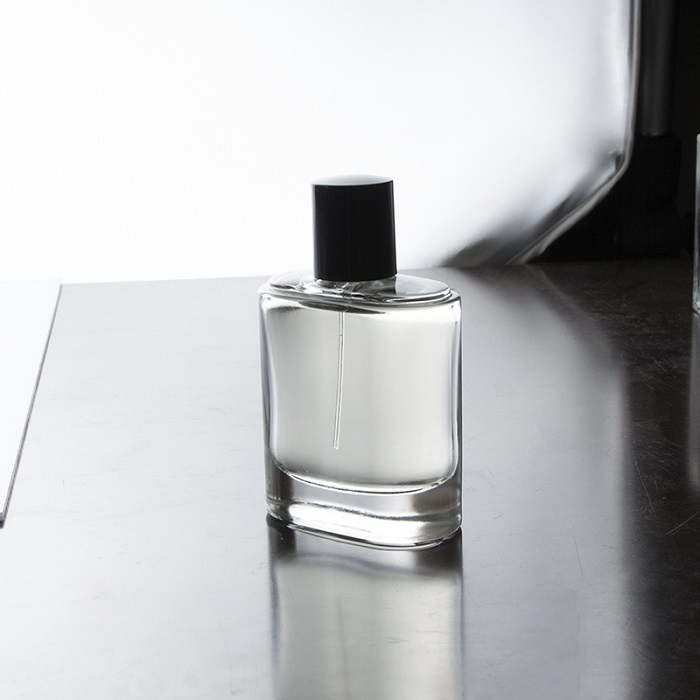
What glass is used in perfume bottles? There are varieties of glass perfume bottles. In that way, what is the most common glass perfume bottle. Let's get to know it together.
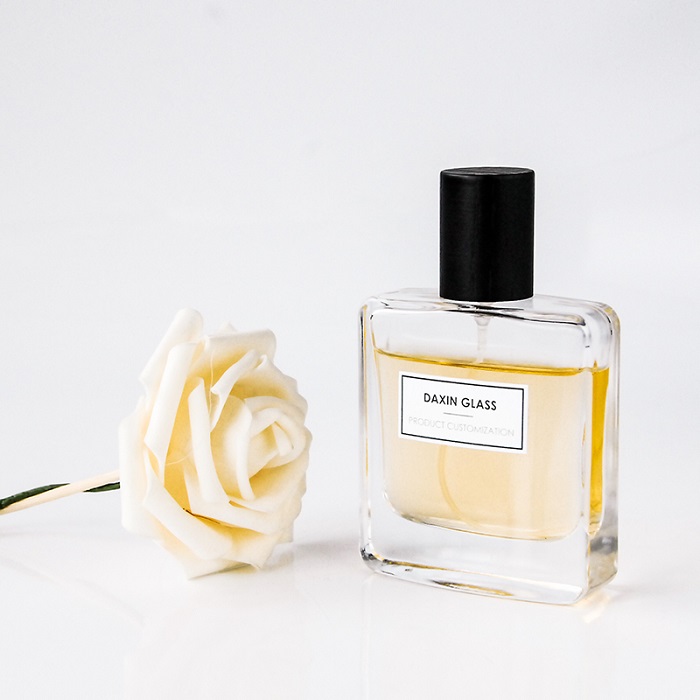
It is known that the main material of the container of perfume is glass in the world, but many people have no good choice to identify glass perfume bottle. Here are some ways to identify glass perfume bottle.
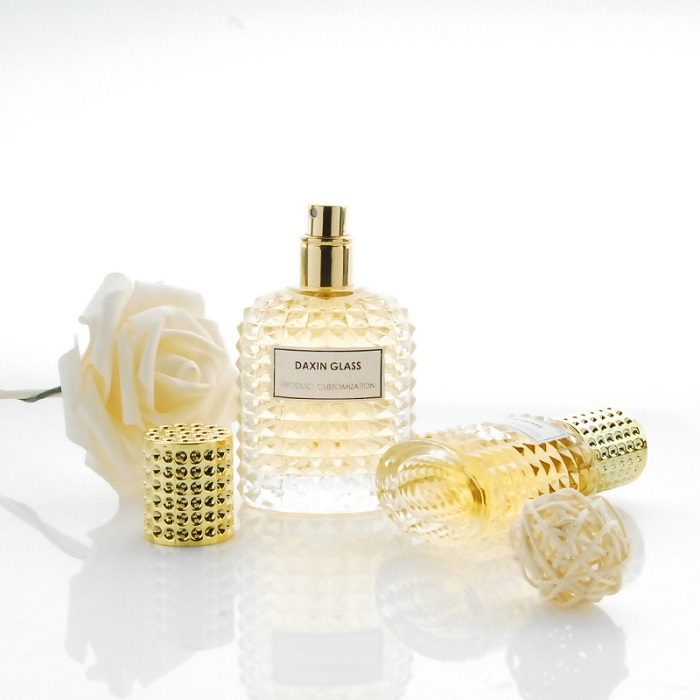
Choose the perfect perfume bottle main includes many ways, analysing brand image, avoid very strage shapes and other advantages pf packageing.
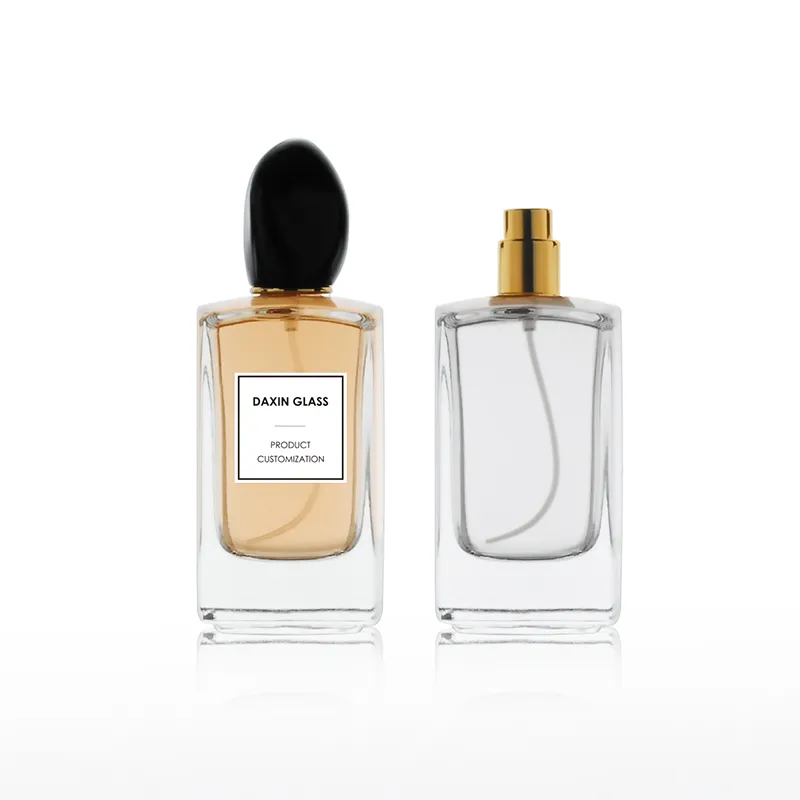
Daxin Glass has been manufacturing glass packaging for over 37 years. They understand what works on the production line and what survives the shipping container. Whether you need stock bottles for a quick launch or custom molds for a signature scent, the fundamentals don't change: test before you produce, verify before you ship, and never assume "standard" means the same thing to every supplier
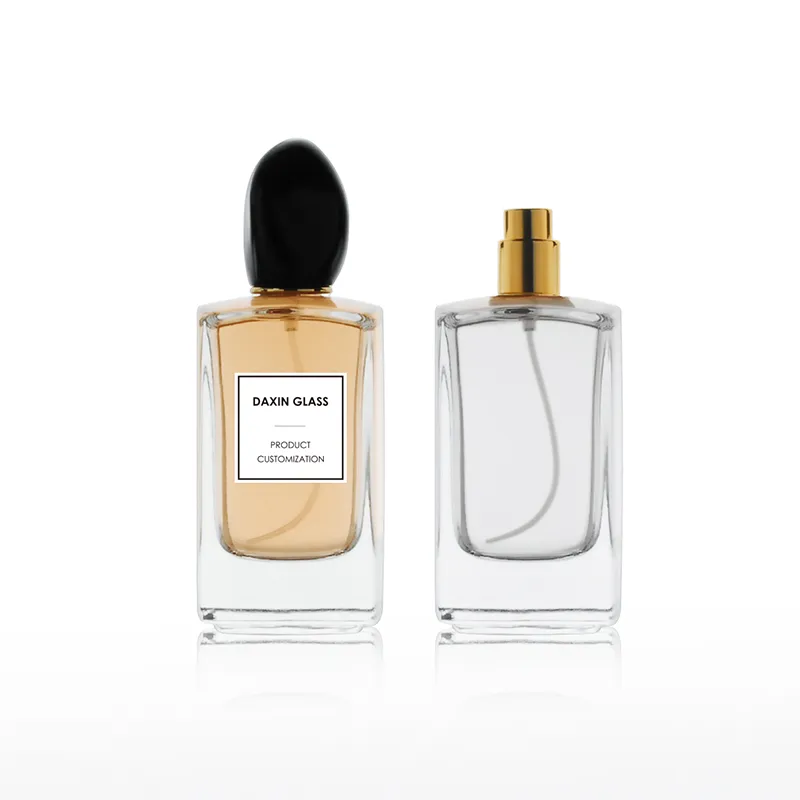
A bottle may sit upright for a day without losing a drop. Then it spends four weeks inside a shipping container. It shakes, tilts, heats up, cools down, and gets handled several times. That journey exposes weaknesses that a basic leak check simply cannot find.
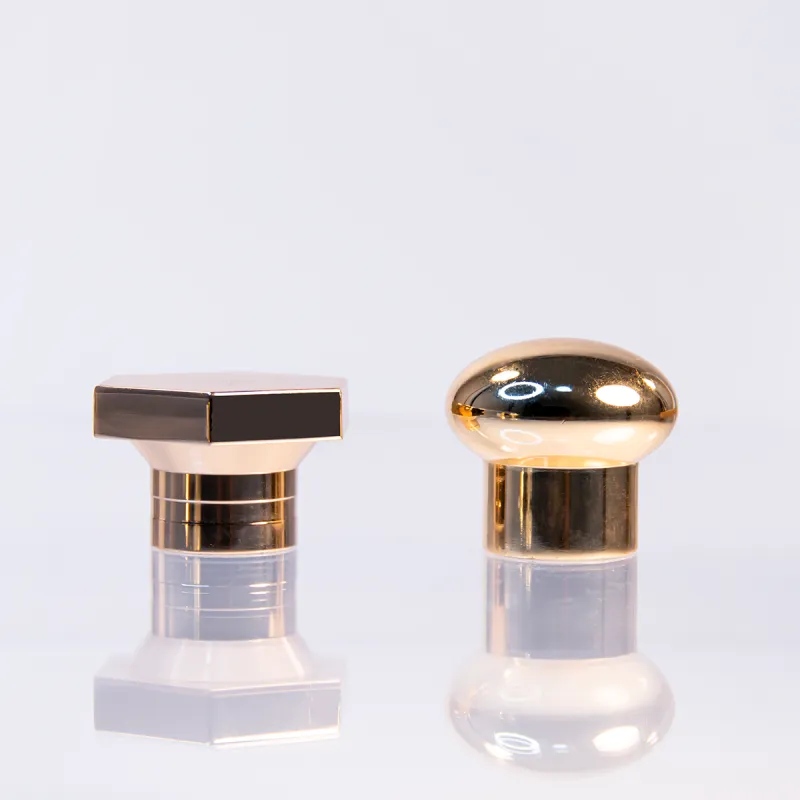
We've dealt with projects where the glass looked perfectly acceptable, yet the pump didn't sit quite right on the neck. Another bottle passed the first inspection but developed leakage after transport testing. In other cases, the cap looked straight on the approved sample, then started drifting slightly during a larger production run.